

Common Teasel
Dipsacus fullonum
Class B
Llimited to portions of the state. In areas with severe infestations, management should be designed to contain the infestation and stop any further spread.
Purchasable
Despite being classified as a noxious weed, this plant is still widely sold in stores! Keep an eye out, and remember that it is illegal to plant and transport noxious weeds in the state of New Mexico.
Riparian Threat
This plant is known to invade riparian areas or otherwise damage the health and abundance of our water resources.
Local Ecosystems
This plant is detrimental to native ecosystems, negatively impacting the quality of forage for wildlife and reducing biodiversity in plant communities.
QUICK FACTS
- Common teasel is an herbaceous biennial that produces thousands of seeds per plant. It is commonly spread by wildlife and floral decorations, and competes with native plants for space and resources.
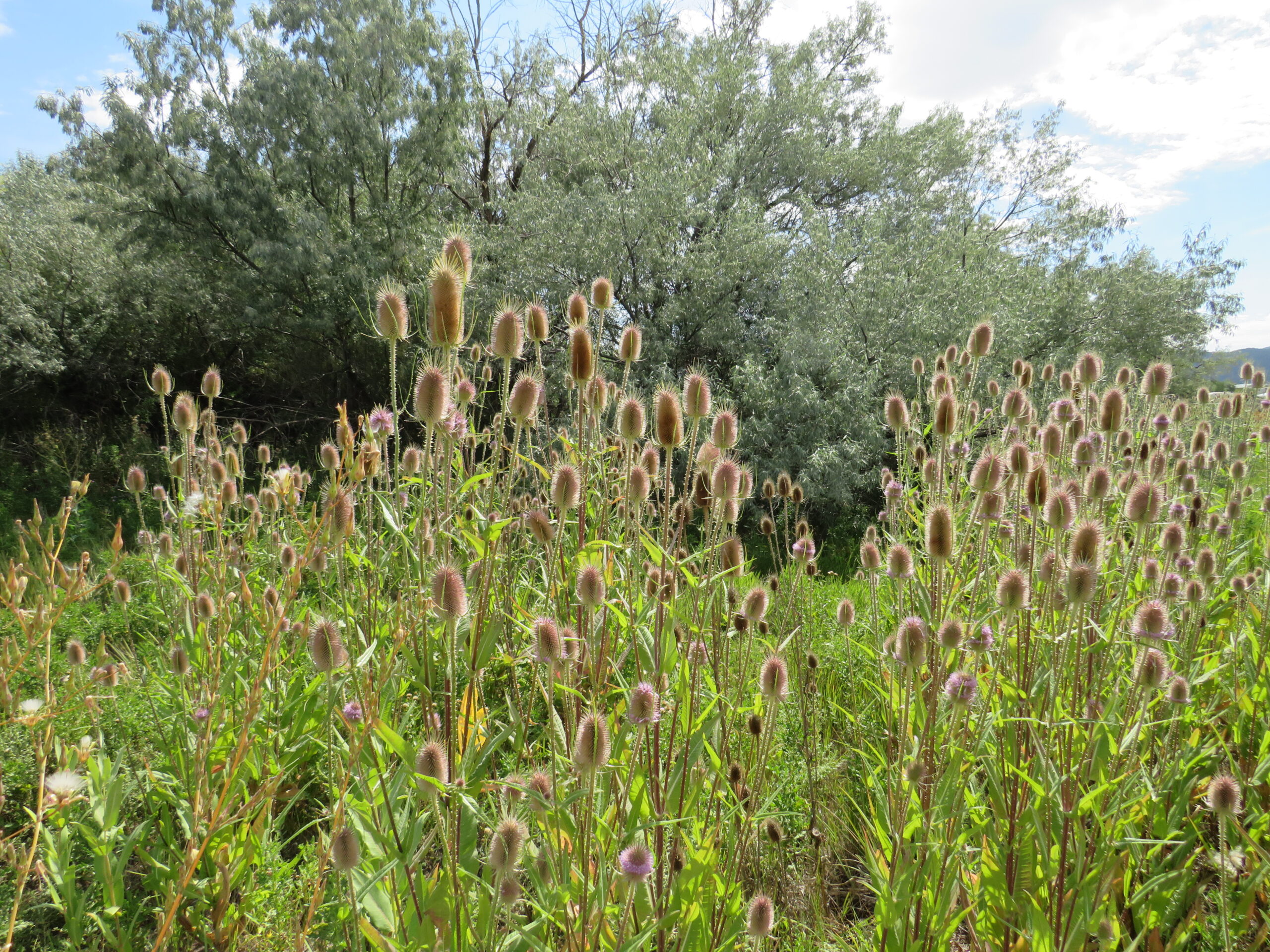
- Native to Europe, this weed has adapted to live in a wide range of habitats, from dry to riparian. It is most commonly found in moist, disturbed, sunny areas, but humans and animals often introduce seeds to other areas as well.
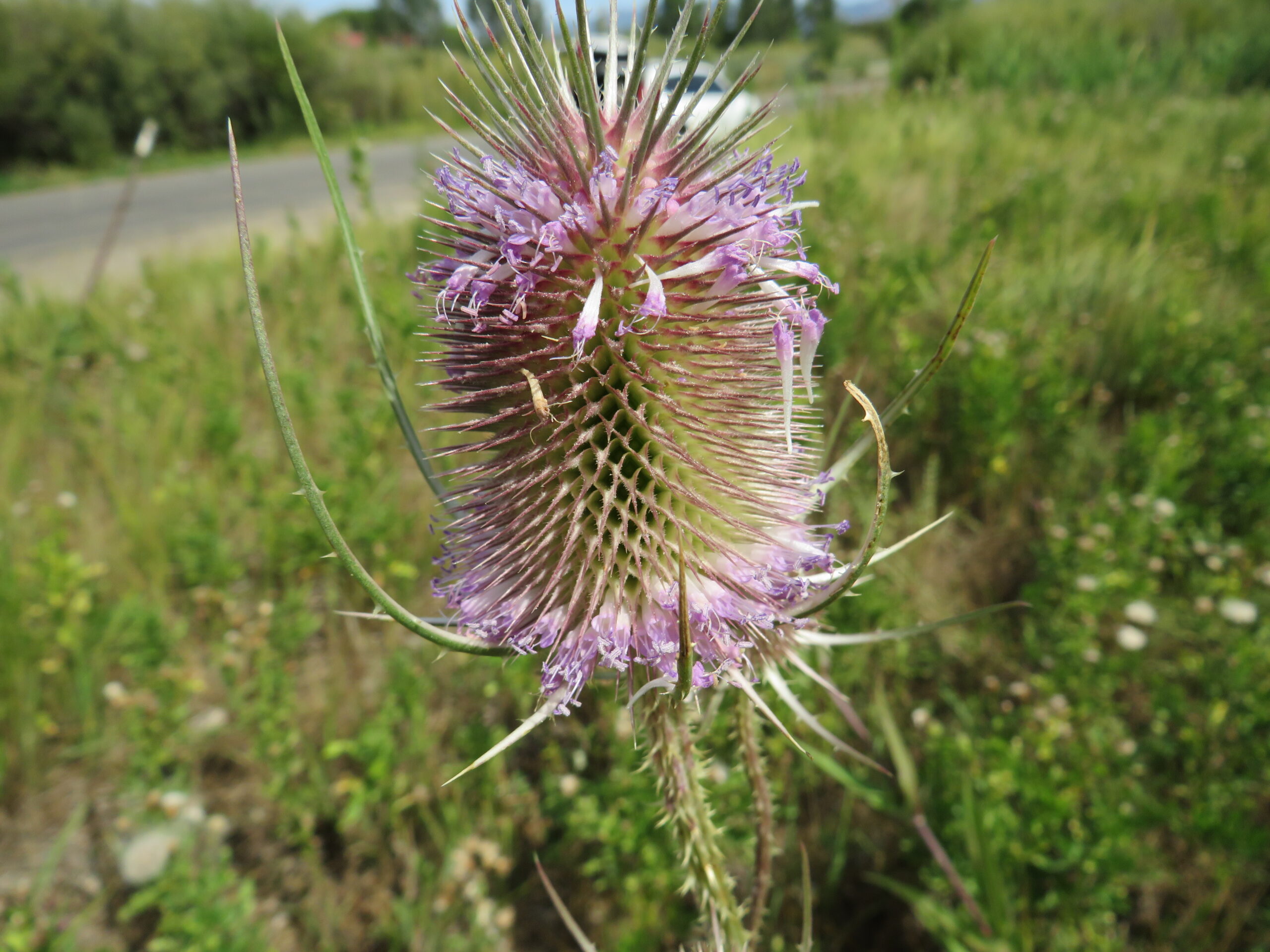
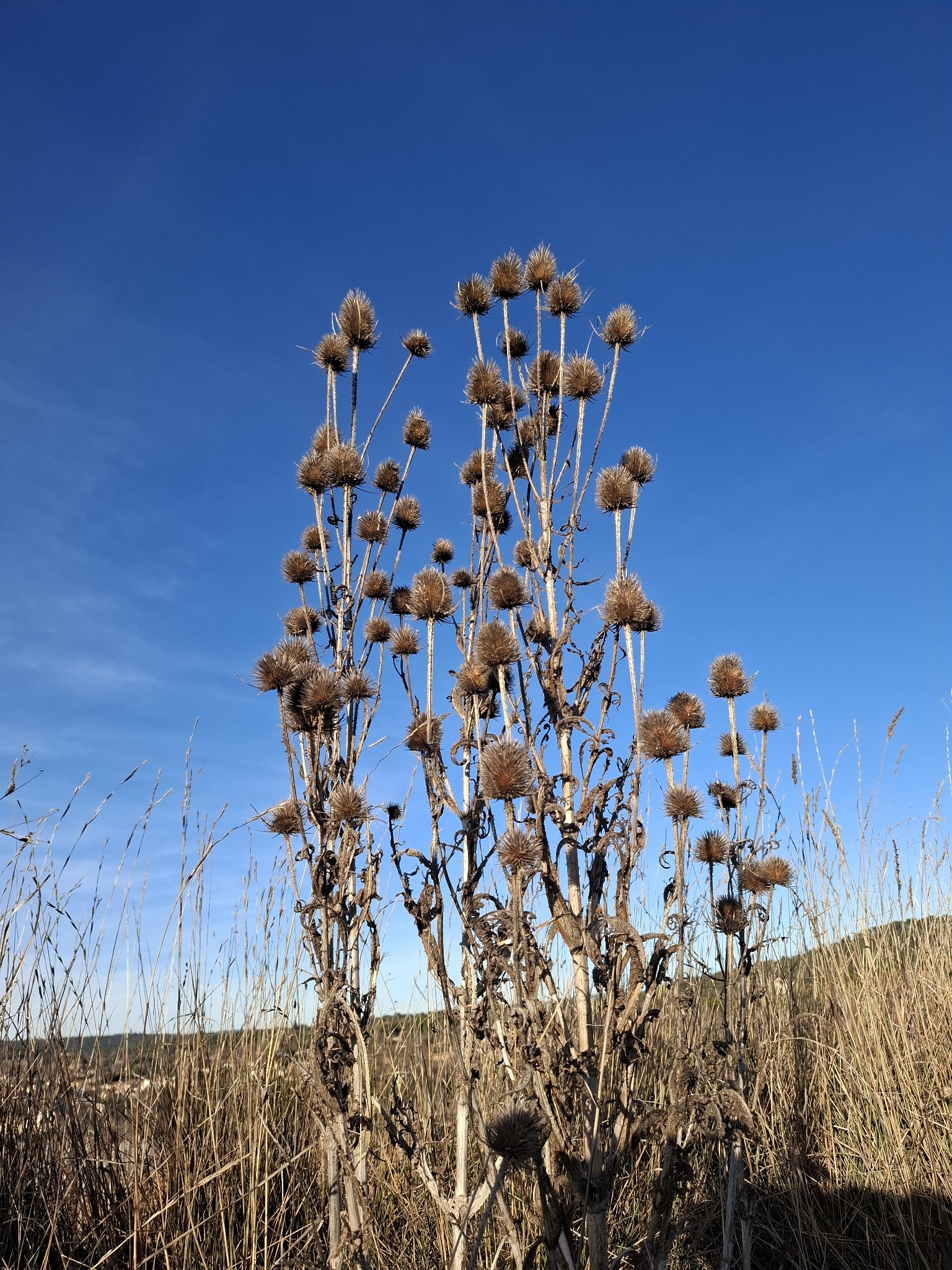
- Common teasel grows small purple flowers in a ring on a spiky flowerhead. It can grow up to 7 feet tall, has opposite leaves that collect water on the stem, and has a basal rosette about 2 feet in diameter. Leaves are entire and toothed along margins and can be oblong or lanceolate.
1. Overview
This protocarnivorous weed is aggressively competitive in several environments.
Common teasel can adapt to several different conditions, allowing it to spread easily. It is considered an invasive weed only in New Mexico, but it is on several watchlists in other states due to its adaptability and competitiveness. It often outcompetes endangered native species, such as Sacramento Mountains thistle (Cirsium vinaceum). It threatens several disturbed sites like pastures, highways, and riparian areas. [3,7]
History of Common Teasel
Dipsacus fullonum is native to Europe, and parts of West Asia and North Africa with similar climates. It was traditionally valued as a medicinal plant to treat several ailments. It was introduced to the U.S. in the 1700s for use in gardens and the fabric industry. The spread of common teasel was not well recorded. Its ability to survive in dry and wet soils has allowed it to grow and spread throughout the entire U.S. [3,4,7]
It is often transported both accidentally and intentionally through dried seed heads in floral arrangements. This weed is on several watchlists due to its aggressive growth habits. [3,7]
2. ID Guide
What does it look like?
Common teasel is a biennial, but it can act as a monocarpic perennial and grow from the root crown until it can flower. It can grow up to 7 feet tall, has several egg-shaped flowerheads with a ring of purple flowers, and green leaves around the base and up the stem. It can be confused with other teasel varieties and some thistles. The identifying characteristics of common teasels are the opposite leaves that collect water near the stem, and a purple ring of small flowers around the flowerhead. Additionally, both basal leaves and stem leaves lack lobes and are lanceolate-shaped. [2,4]
Having trouble identifying a weed?
Contact your local conservation district or county extension agent.
Key Features
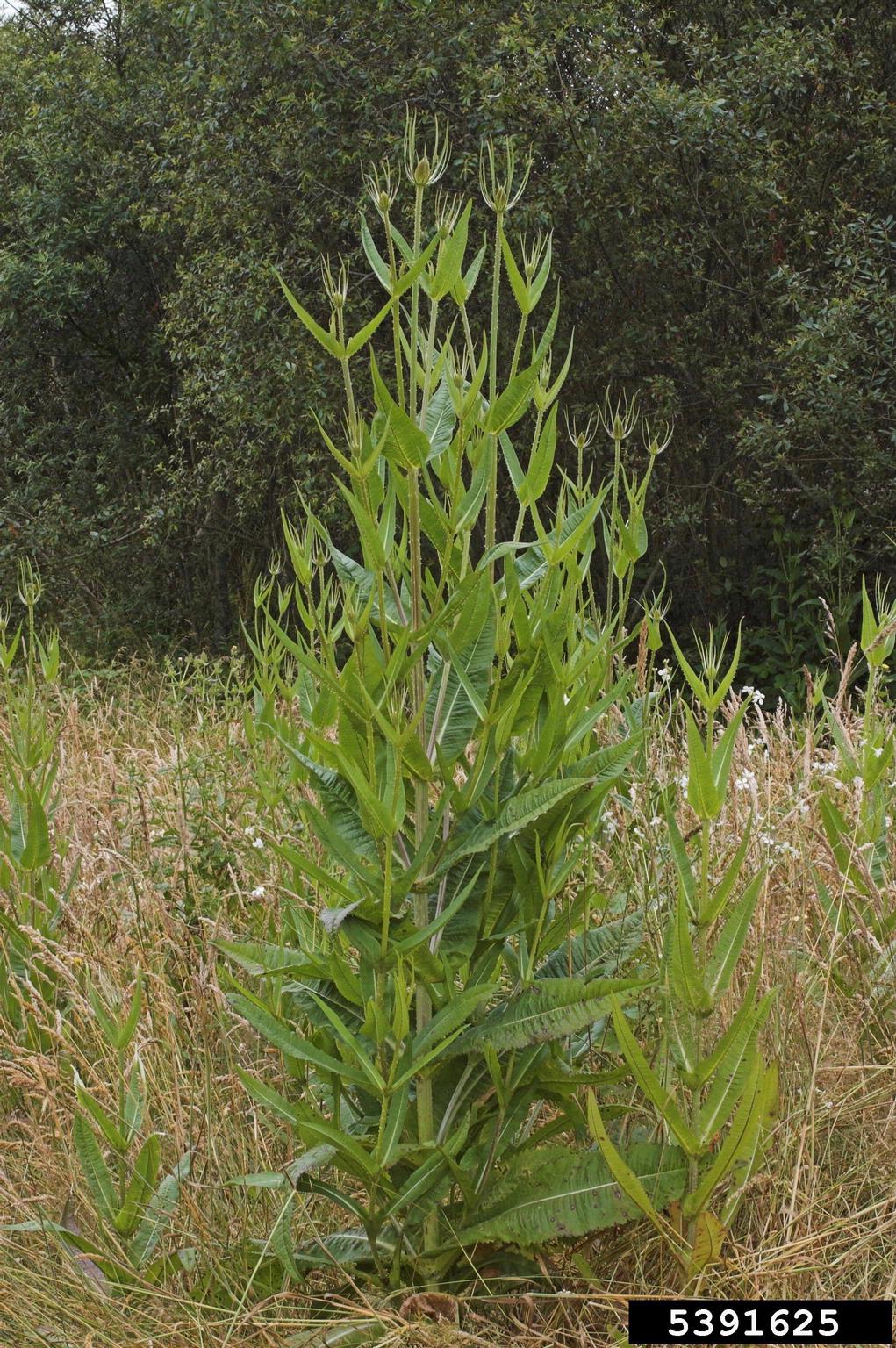
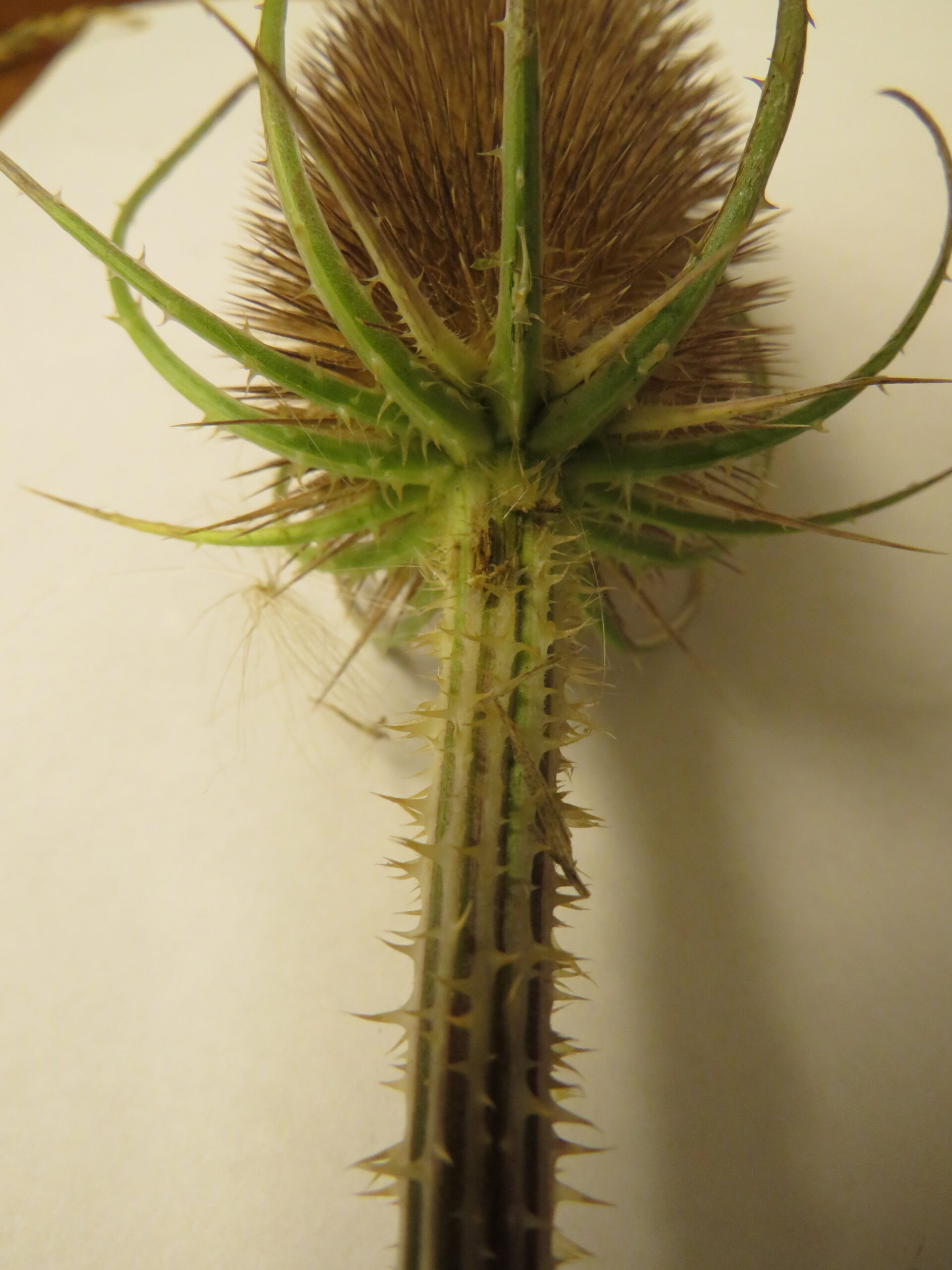
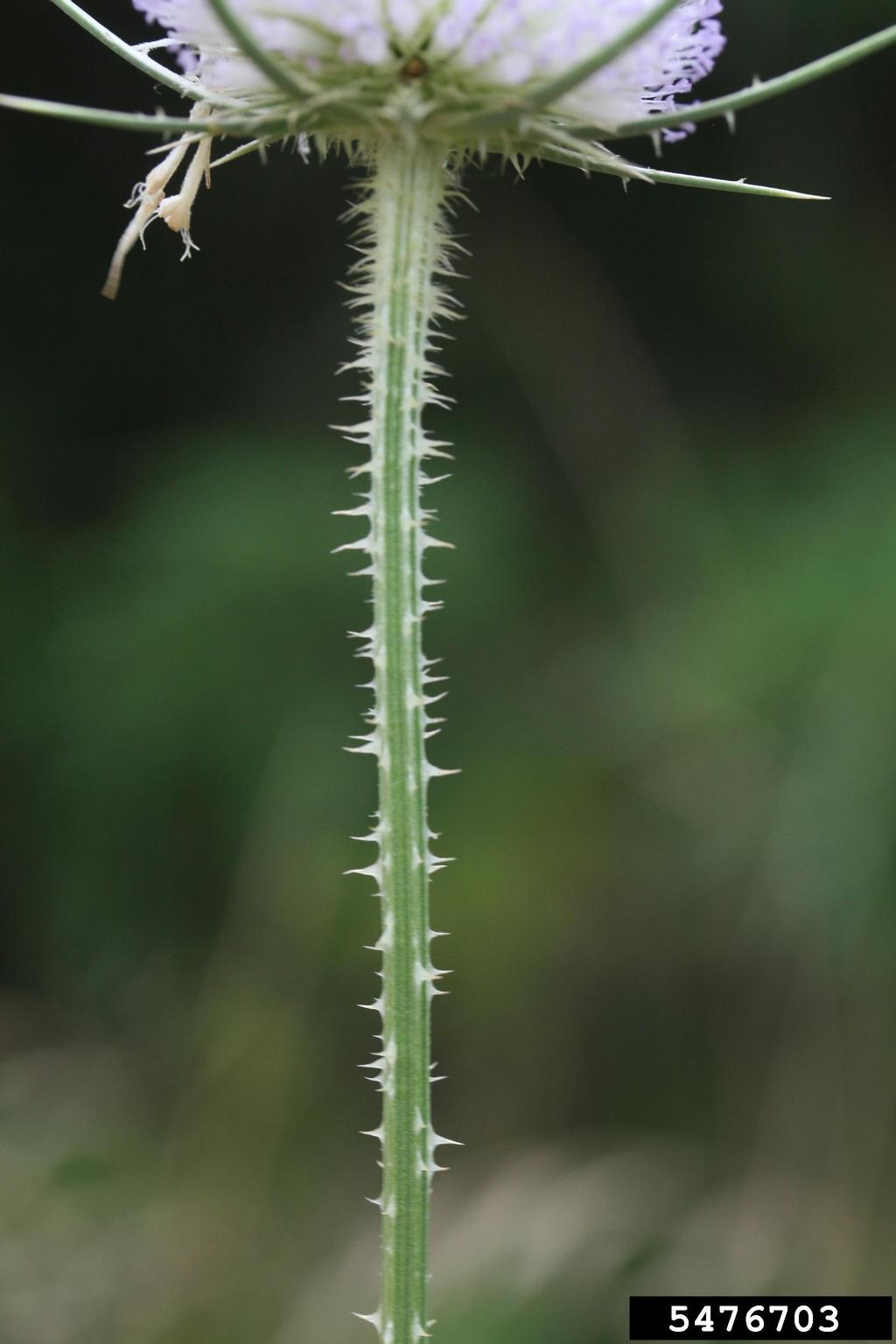
- Plant: Common teasel can germinate in the spring or fall. In the first year, the plant presents as a basal rosette similar to other teasels and thistles. In its second year, common teasel grows a long, erect stem that can reach 7 feet tall, with long, pointed leaves arranged in pairs that hold water and often trap insects. The stem is green, hollow, and has ridges with prickles. [2,3,7]
- Roots: Common teasel grows a taproot about 2 feet deep, and fibrous roots extending from the taproot about 1 foot wide. Roots usually fully develop in the first year of growth. [1,7]
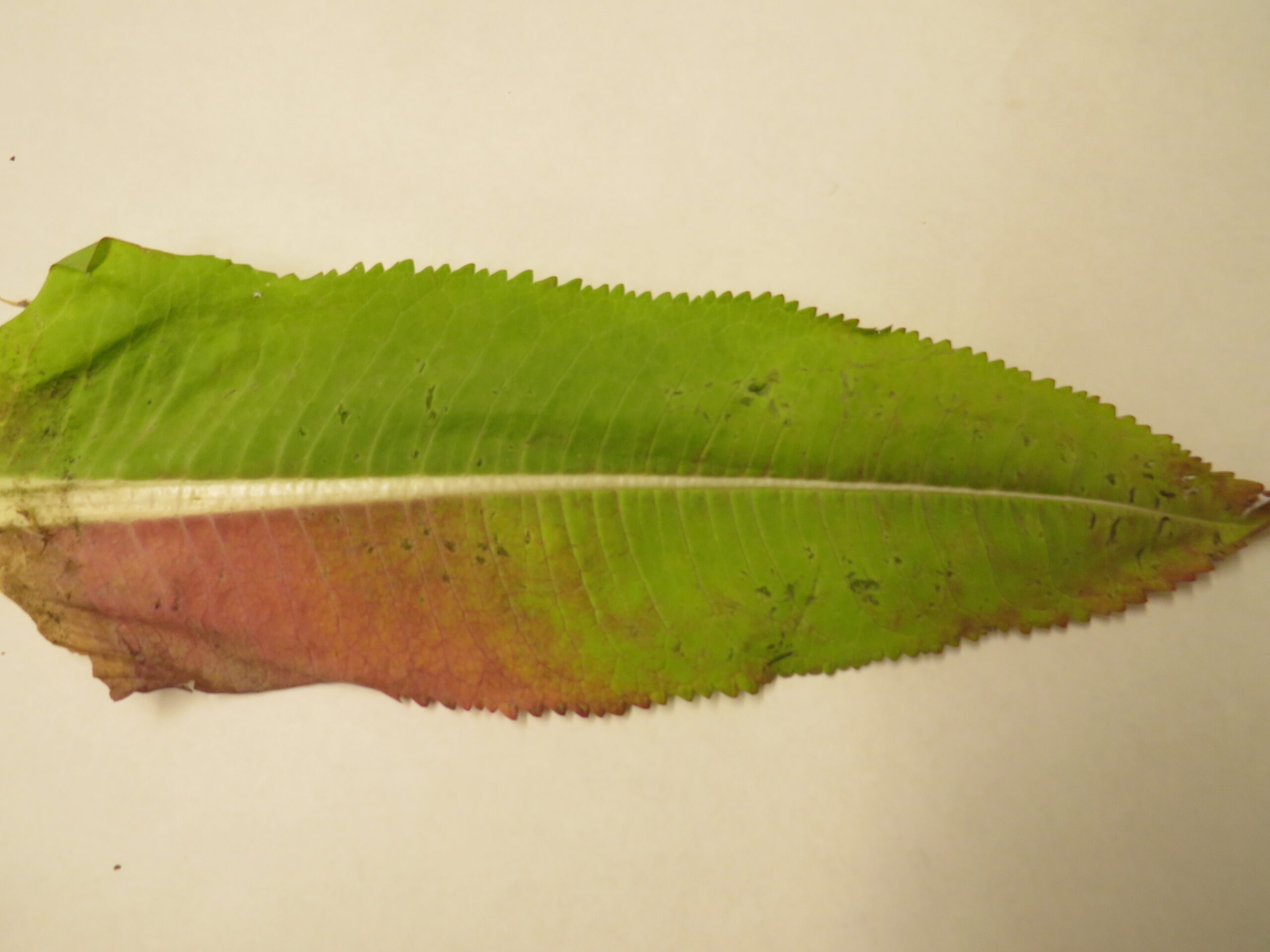
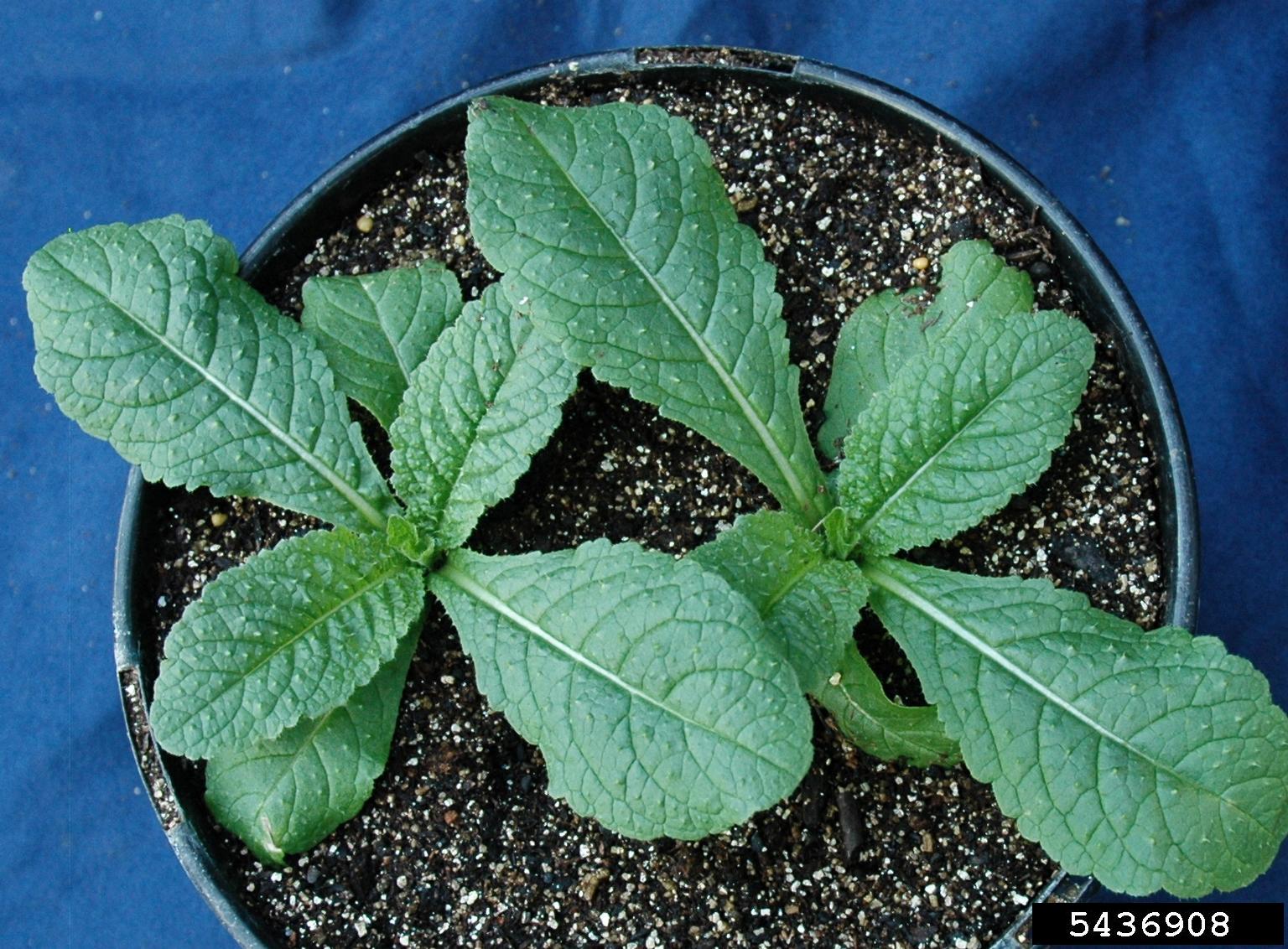
- Leaves: Basal leaves grow in the plant’s first year. They are green, oval-shaped, and can grow up to 12 inches long. They are often wrinkled and scalloped, and older leaves may be hairy. Stem leaves clasp the stem and collect water near the leaf axil. They are opposite each other, about 10 inches long, and lanceolate (long and pointed) shaped. Stem leaves of common teasel are also entire with toothed margins. [4,7]
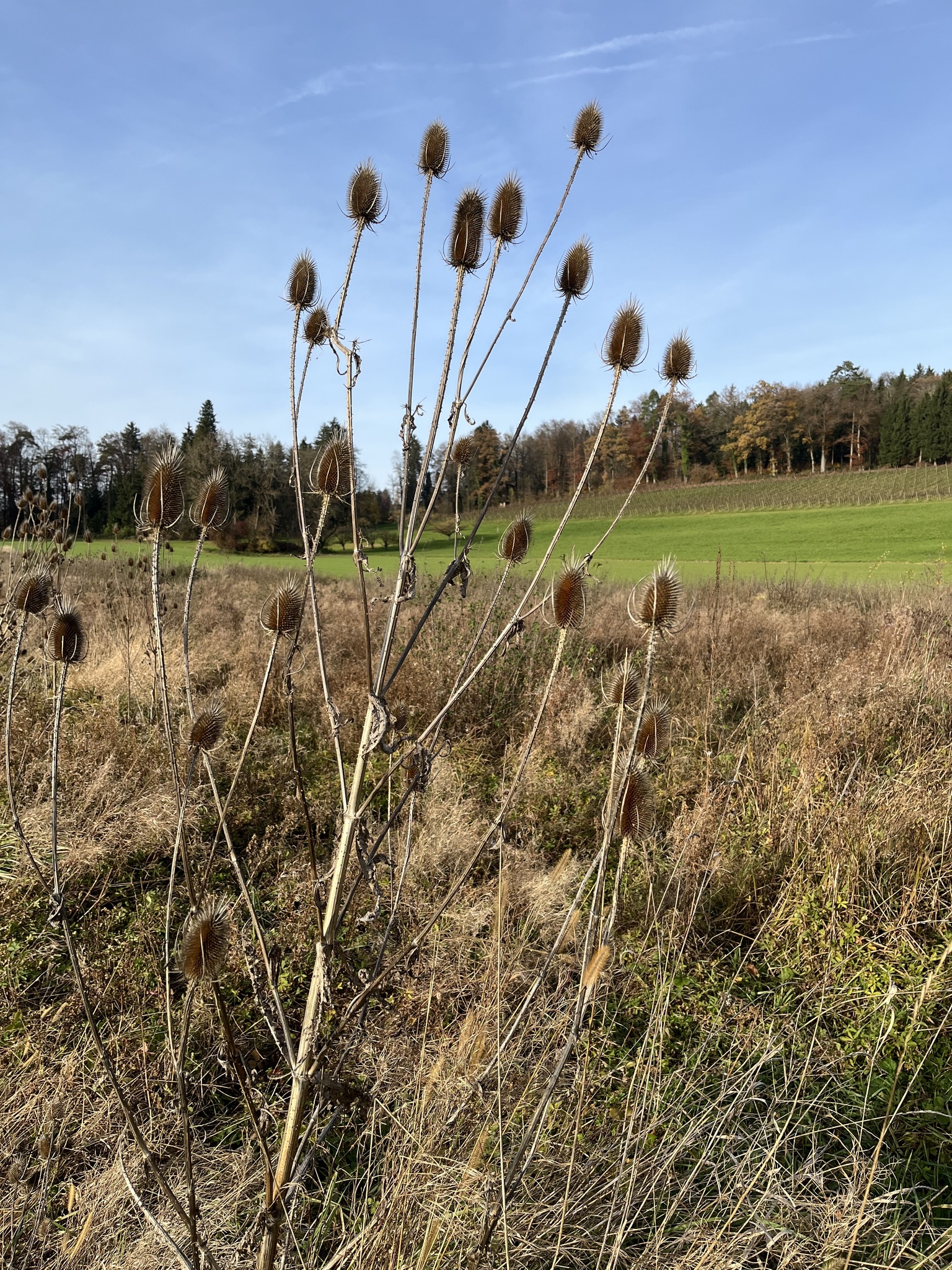
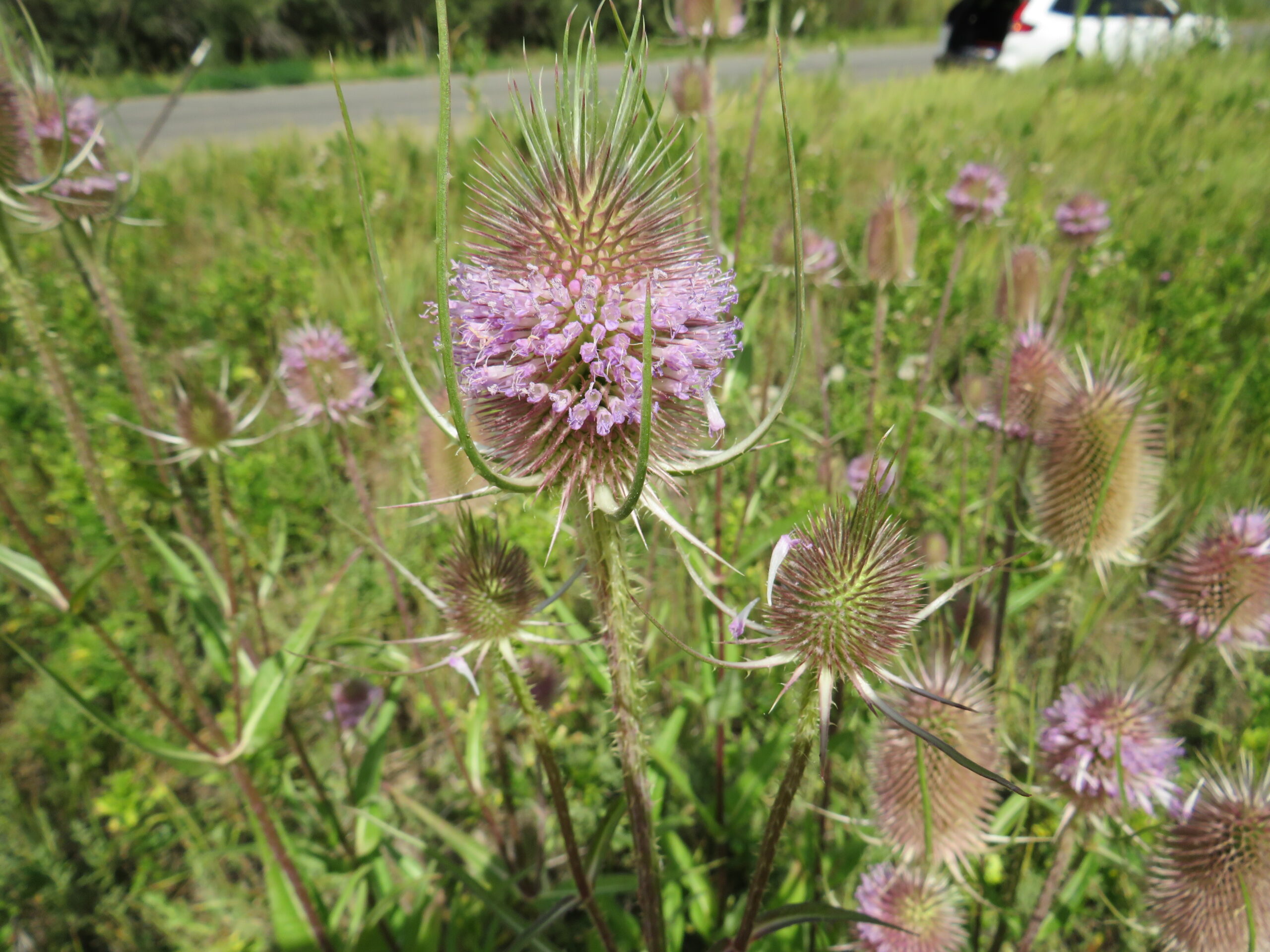
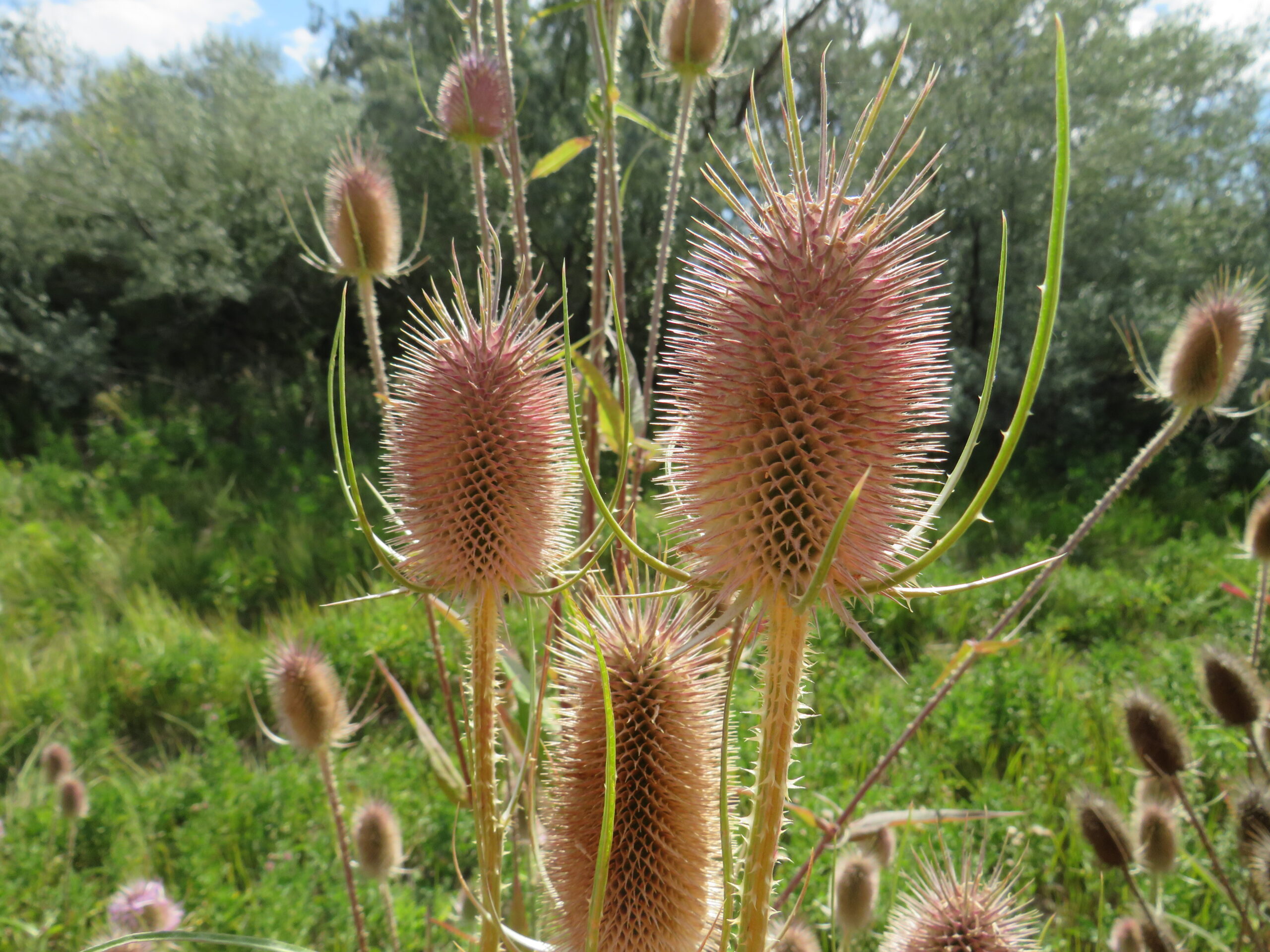
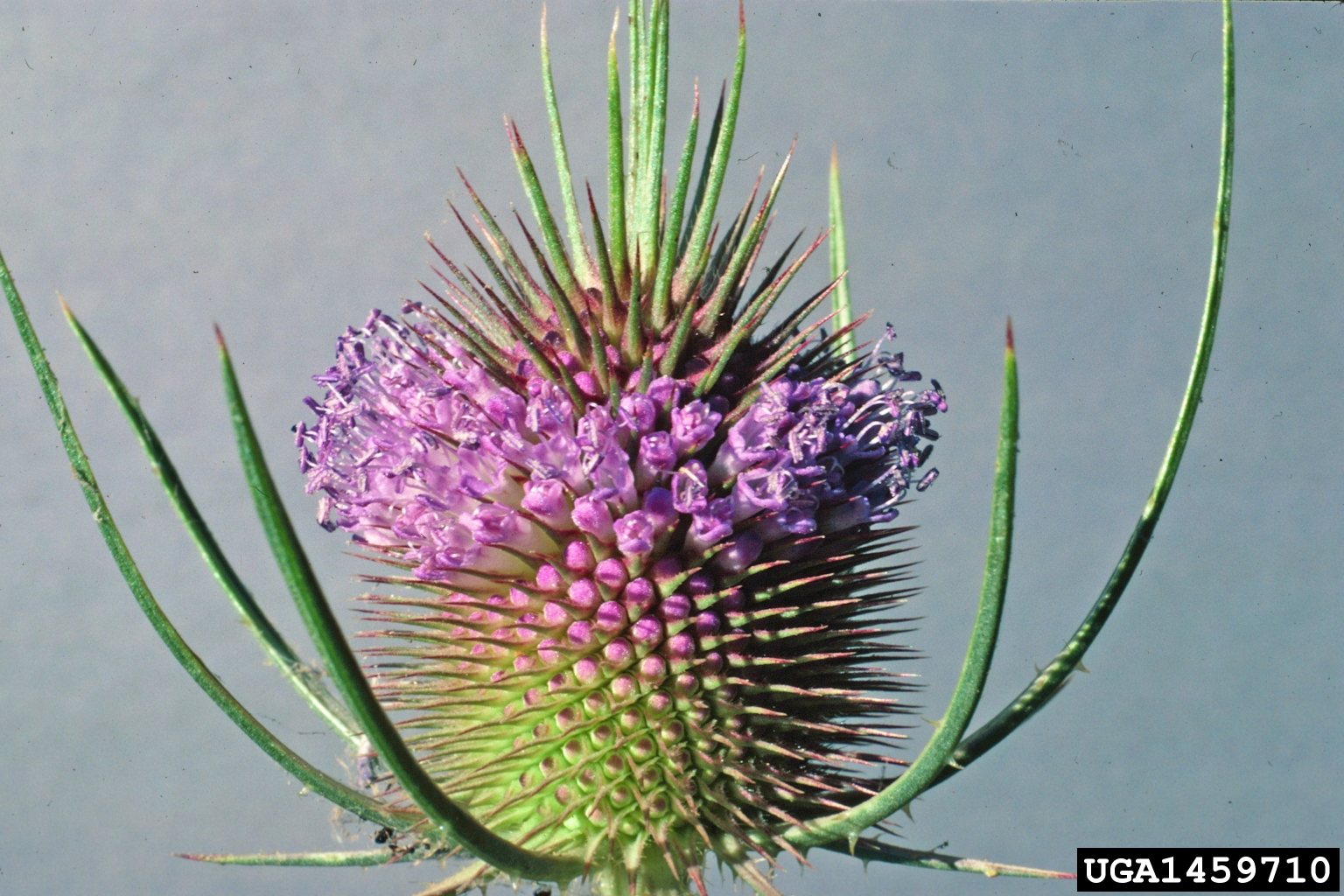
- Flowers: Flowers occur in the second year after the stem has bolted and matured. Lavender-colored flowers can be seen from early summer to early fall, in a ring around the head, but only live for one day, then form a new ring of flowers that quickly die, until the entire head has flowered. Flowerheads of common teasel are egg-shaped, up to 4 inches long, and have a spiky, leafy bract that curves from below to above the flowerhead. [2,7]
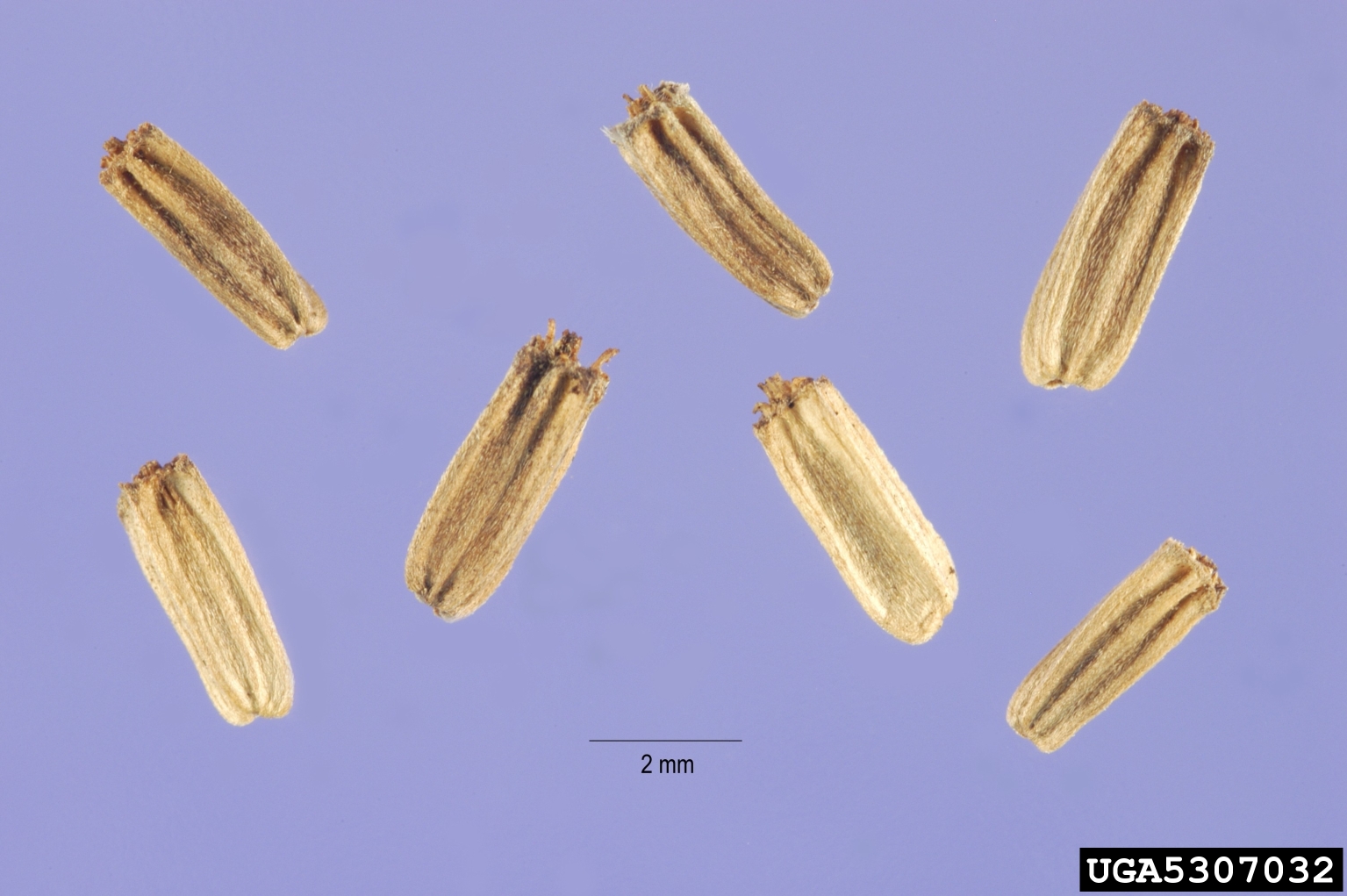
- Seeds: Common teasel produces through seeds exclusively, but can produce over 3000 seeds per plant. Seeds fall near the parent plant, but can be carried by water, human, and animal movement as well. They do not remain viable for long (up to 5 years in laboratory conditions, usually only 2 in the wild). Seeds are very small (3mm), rectangular, brown, and grooved. [2,8]
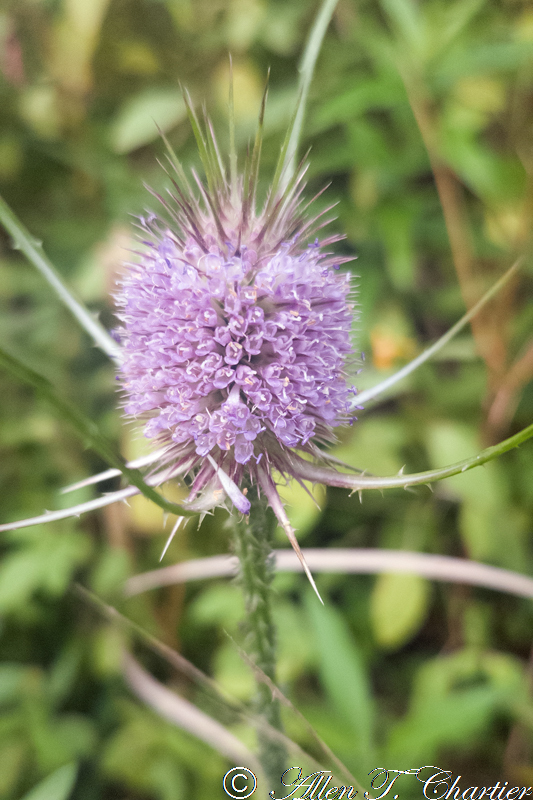
Allen T. Chartier
Flowerheads of common teasel are egg-shaped, up to 4 inches long, and have a spiky, leafy bract that curves from below to above the flowerhead.
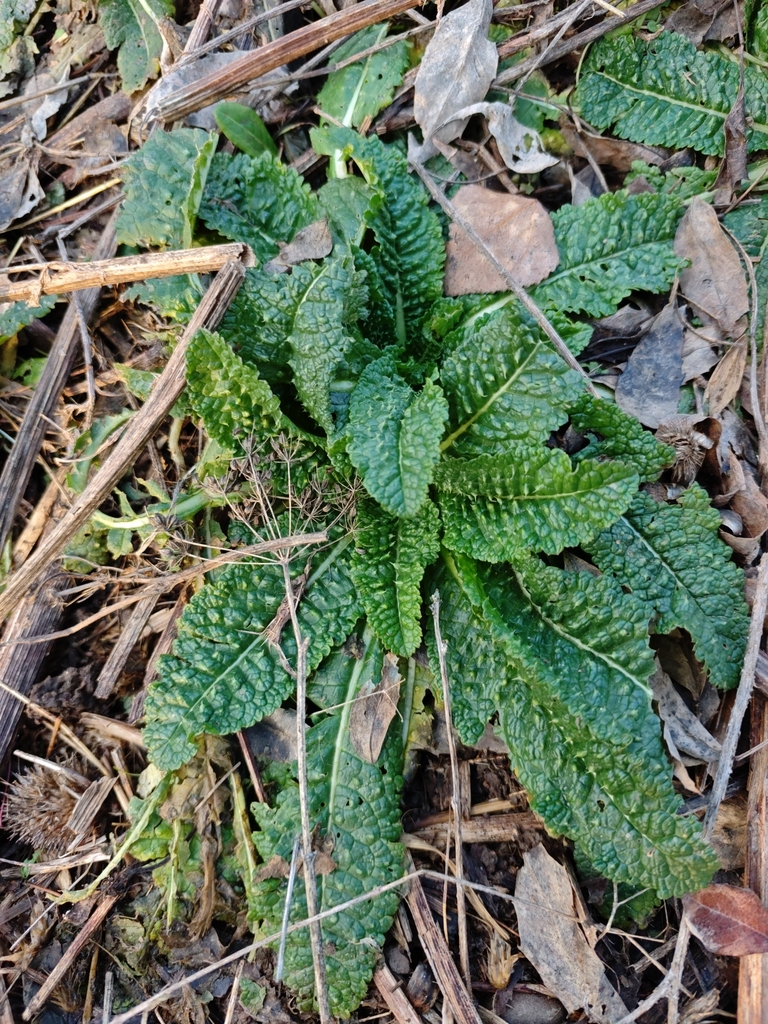
Miguel Rodriguez, inaturalist.org
In the first year, the plant presents as a basal rosette similar to other teasels and thistles.
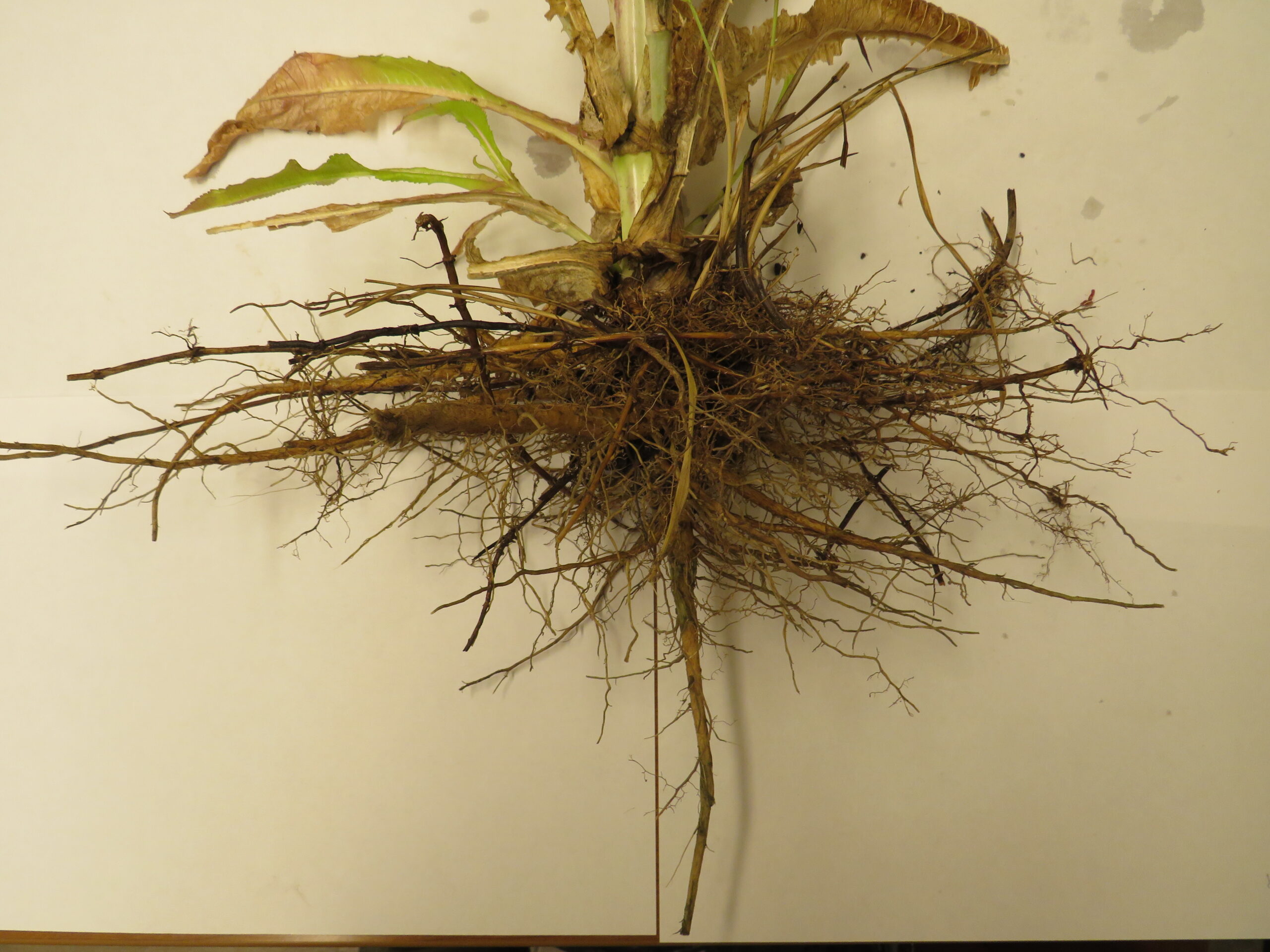
Mikhial Parison, Taos Soil & Water Conservation District
Common teasel grows a taproot about 2 feet deep, and fibrous roots extending from the taproot about 1 foot wide.
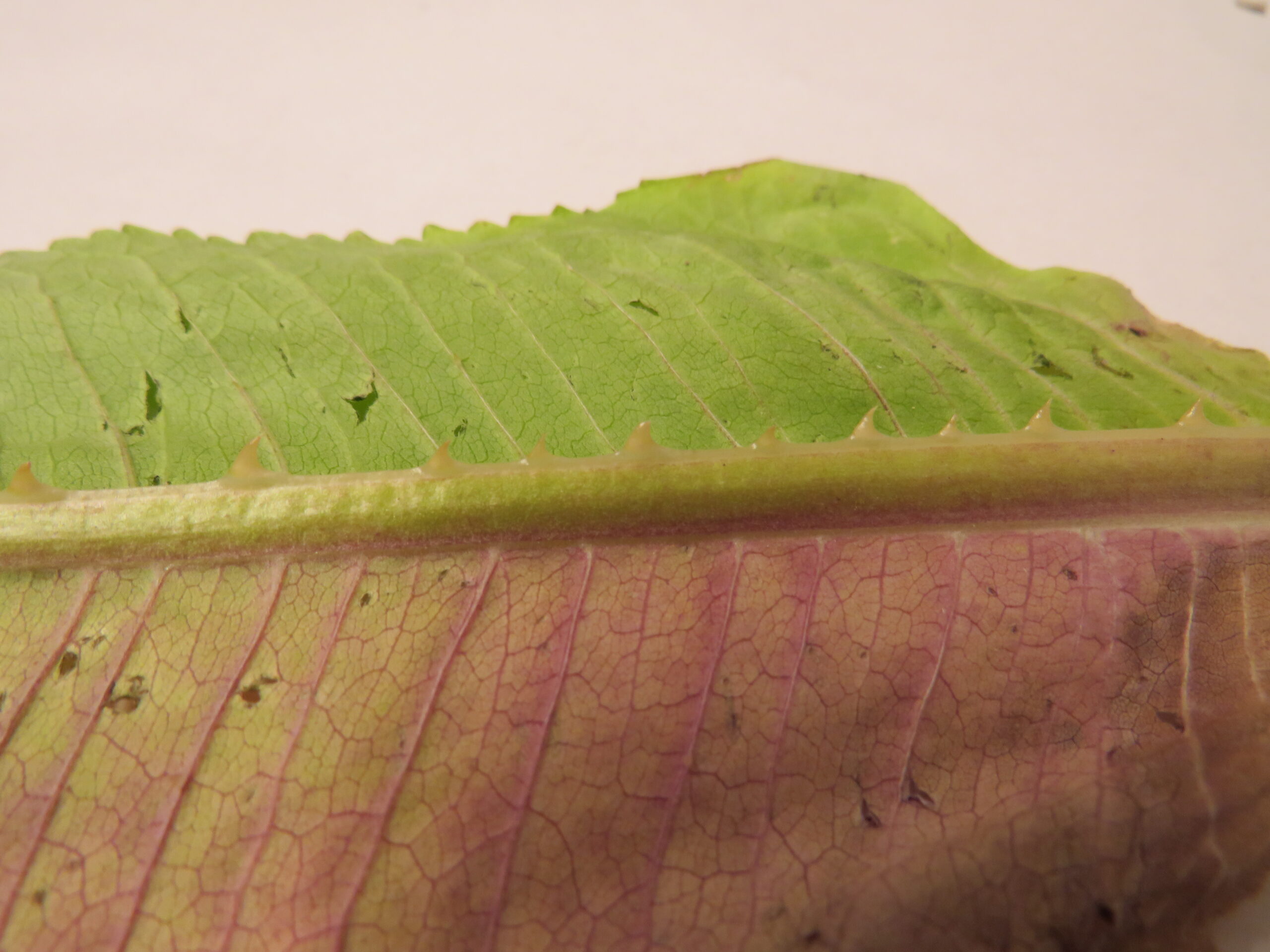
Mikhial Parison, Taos Soil & Water Conservation District
Stem leaves clasp the stem, and are opposite each other, about 10 inches long, and lanceolate. Stem leaves of common teasel are also entire with toothed margins.
senter, inaturalist.org
In its second year, common teasel grows a long, erect stem that can reach 7 feet tall, with long, pointed leaves arranged in pairs that hold water and often trap insects.
Steve Hurst, USDA NRCS PLANTS Database, Bugwood.org
Seeds are very small (3mm), rectangular, brown, and grooved.
3. Infestation Basics
“Teasel is aggressively competitive. It can displace desirable plants and form a monoculture.”
– USDA FS, 2017
Where and how does it grow, and how does it spread?
Common teasel can grow in disturbed soils, such as pastures and the sides of highways. They prefer mesic soils in open, sunny areas, but can grow in shaded areas with both moist and arid soils. It reproduces by seeds, usually spread by animals, human equipment, and water. [3]
Common teasel prefers mesic soils with plenty of sun, but can grow in a range of conditions, from arid to riparian, once introduced to an area. While seeds do not remain viable for long, each plant produces thousands of seeds, all with very high germination rates. Additionally, common teasel must be cut below the root crown; otherwise, it can regrow until it has the opportunity to flower. [2,3]
Common teasel is a biennial that can germinate in spring or fall, but usually germinates from April to June. In their first year, common teasel grows a taproot and basal rosette leaves, and bolts the following year, flowering continuously from July to September. Seeds are dispersed from September to November. [3]
This weed is insect-pollinated. It is very popular for bees, which help the plant cross-pollinate and develop seeds. Each plant can produce thousands of seeds; each flowerhead can produce about 900 seeds, and each plant grows about 3-9 flowerheads, with an average of 3,000 seeds per plant. Cross-pollinated seeds have a germination rate of 80-90%. When cross-pollination is prevented, germination rates drop significantly to about 4%. [2,3]
Seeds do not spread by wind and fall within 5 feet of the parent plant. Seeds can be moved by water, animals, and humans. Birds and small mammals eat common teasel seeds and spread them long distances. These seeds can also float in water for about a month and still be viable, allowing them to be transported long distances. Additionally, humans often transport seeds in floral arrangements and farming equipment. [2,4]
Key takeaway: Common teasel aggressively competes with other plants, produces thousands of seeds, and can grow practically anywhere. This weed is most commonly spread by small animals, but humans use it as a floral decoration and spread it by not cleaning equipment.
Why is it so invasive?
Common teasel produces thousands of viable seeds per plant, which are often spread by wildlife over long distances. It aggressively competes with desired plants across multiple environments, threatening native species and grazing capacity. [3,7]
This seed spreads only by seed, but can regrow from the root until it can successfully flower. It produces 700-900 seeds per flowerhead, and each plant can produce 1-35 flowerheads, resulting in thousands of seeds per plant. It can also grow in both dry and riparian areas, allowing it to spread widely. Wildlife continues to spread its seeds and pollinate this plant, adding to its invasiveness. [2]
Common teasel is also spiky, making it avoided by most livestock, and can occasionally cause a rash to humans. Fields infected with this plant decrease in value and have little nutritional value for grazing livestock. [3]
Key takeaway: Common teasel threatens native species and produces thousands of seeds per plant that are difficult to prevent from spreading. Its spikes also limit grazing opportunities and can cause rash.
Common risk factors for invasion
-
Soil disturbance: Common teasel readily invades areas disturbed by construction, tilling, or overgrazing, including construction sites, tilled fields, and overgrazed pastures. This disruption weakens existing vegetation, allowing the weed to become established. Minimizing unnecessary soil disturbance can help reduce the risk of invasion.
-
Open spaces: Common teasel favors open, sunny environments with little to no canopy cover, such as pastures and cultivated fields. These conditions allow the weed to establish quickly and outcompete other plants. Maintaining healthy, large-leafed vegetation in these areas can help limit its spread.
-
Moisture availability: While common teasel has adapted to a wide range of soil and water conditions, it prefers moisture to establish and spread, making irrigated lands and areas with consistent rainfall particularly vulnerable.
-
Riparian Areas: Common teasel seeds are easily carried by streams and may be subsequently deposited on river terraces. While common teasel does not tolerate frequent flooding, being near streams or rivers allows the weed’s roots to reach the water table easily.
Impacts
Ecosystem Health
While birds, small mammals, and pollinators enjoy this plant, common teasel displaces native plants, resulting in a notable loss of floral biodiversity. This can significantly reduce forage availability and give more opportunity for other weeds to grow. [3]
Soil Degradation
Common teasel threatens agriculture by competing for resources and reducing land productivity. In addition to those direct threats, common teasel poses indirect threats to agriculture and natural resource conservation on the landscape by degrading soil quality. Additionally, dense weed growth can hinder the regeneration of native vegetation, leading to long-term soil health issues and further degradation. [2,3]
Economic
Common teasel will become a monoculture through aggressive seed production and vegetative growth. It can reduce the available forage for domestic livestock. [3]
4. Management Strategies
The best method of teasel management is prevention; do not disturb areas unnecessarily, clean equipment, and do not use flowerheads as decoration to prevent seed dispersal and possible germination. If infestation occurs, mechanical methods like pulling work when a common teasel is removed below the root crown to prevent regrowth. Repeated cutting and mowing can also eradicate populations over several years, but are not considered effective management methods alone. Herbicides are effective at control when applied in early summer or fall and combined with mechanical methods. Preventing flowerheads from producing seeds is the most important way to manage common teasel. [2,4]
DO’s
- Prevent seeds from spreading by cutting the seedhead right before flowering.
- Combine several management methods, including mechanical, herbicides, and seeding desired plants.
- Cut the plant below the root crown to prevent regrowth.
DON’Ts
- Leave it until it is widespread, as it is easier to treat in individual or small infestations.
- Disturb areas necessary, as this gives the weed an opportunity to grow.
- Use dried flowerheads as decoration, as flowerheads can store seeds and spread to other areas.
** The following information is provided courtesy of the UC Weed Research and Information Center. nmweeds.org does not endorse the use of any particular product, brand, or application thereof. **
Non‑chemical control of common teasel relies on weakening the plant and stopping it from producing seed. Young rosettes can be dug or pulled when the soil is soft, making sure the taproot is removed deeply enough below the crown to prevent regrowth. Taller plants can be cut just below the soil surface before any seed develops, and all flower heads should be collected and taken off‑site so they don’t continue to mature. Because new seedlings often appear after disturbance, returning to the area regularly and repeating removal over multiple seasons is key to reducing the population.
Treatments are usually needed for 4 to 6 years until viable seeds in the soil become sparse. With small infestations, digging or hand-pulling before flowering is an effective control. When digging, sever the root below the soil surface. Mowing is often ineffective because the root crown will resprout and flower after being cut. Repeated mowing can be effective, but it must prevent regrowth from flowering.
Livestock may graze rosettes, but teasel has low palatability at most growth stages.
Fire is not an effective control and often stimulates teasel density the following season.
No known biological control agents are available.
The following specific use information is based on published papers and reports by researchers and land managers. Other trade names may be available, and other compounds also are labeled for this weed. Directions for use may vary between brands; see label before use. Herbicides are listed by mode of action and then alphabetically. The order of herbicide listing is not reflective of the order of efficacy or preference.
|
2,4-D Several names |
Rate: 1 to 2 qt product/acre (0.95 to 1.9 lb a.e./acre) Timing: Postemergence. Most effective on small rosettes. Remarks: 2,4-D is often tank-mixed with chlorsulfuron or dicamba. It is available in a premix with picloram (Grazon P+D). Control has been inconsistent when used alone. It is broadleaf-selective and safe on most grasses. 2,4-D has minimal soil activity. Do not apply ester formulation when outside temperatures exceed 80°F. Amine forms are as effective as ester forms for small rosettes, and amine forms reduce the chance of off-target movement. |
|
Aminocyclopyrachlor + chlorsulfuron Perspective |
Rate: 4.75 to 8 oz product (Perspective)/acre Timing: Postemergence and preemergence. Postemergence applications are most effective when applied to plants from the seedling to the bolting stage. Remarks: Aminocyclopyrachlor provides excellent control of teasel at most growth stages. Perspective provides broad-spectrum control of many broadleaf species. Although generally safe to grasses, it may suppress or injure certain annual and perennial grass species. Do not treat in the root zone of desirable trees and shrubs. Do not apply more than 11 oz product/acre per year. At this high rate, cool-season grasses will be damaged, including bluebunch wheatgrass. Not yet labeled for grazing lands. Add an adjuvant to the spray solution. This product is not approved for use in California and some counties of Colorado (San Luis Valley). |
|
Aminopyralid Milestone |
Rate: 4 to 7 oz product/acre (1 to 1.75 oz a.e./acre) Timing: Postemergence from the rosette to the early bolting stage. Remarks: Aminopyralid provided over 90% control when applied to rosettes in university trials. Longer soil residual activity compared to clopyralid. It is safe on most grasses, although preemergence application at high rates can greatly suppress some annual grasses, such as medusahead. Applications can decrease seed production in some annual and perennial grass species. For postemergence applications, adding a non-ionic surfactant (0.25 to 0.5% v/v spray solution) enhances control under adverse environmental conditions; however, this is not normally necessary. Other premix formulations of aminopyralid can also be used for control. These include Opensight (aminopyralid + metsulfuron; 2 to 3 oz product/acre) and Forefront HL (aminopyralid + 2,4-D; 1.5 to 2.1 pt product/acre). |
|
Clopyralid Transline |
Rate: 0.67 to 1.33 pt product/acre (4 to 8 oz a.e./acre). Timing: Postemergence from the rosette to the early bolting stage. Results are best if applied to rapidly growing weeds. Remarks: Clopyralid is most effective for young plants. It has a shorter soil residual activity than aminopyralid or aminocyclopyrachlor. Trials indicate that it provides over 90% control when applied to rosettes. It controls or injures plants in the Asteraceae and Fabaceae but is safe on most other broadleaf species and all grasses. For postemergence applications, a non-ionic surfactant (0.25 to 0.5% v/v spray solution) enhances control under adverse environmental conditions; however, this is not normally necessary. |
|
Clopyralid + 2,4-D Curtail |
Rate: 2 to 4 qt Curtail/acre Timing: Same as for clopyralid. Remarks: Add a non-ionic surfactant. |
|
Dicamba Banvel, Clarity |
Rate: 2 pt product/acre (1 lb a.e./acre). Use higher rates for larger plants. Timing: Postemergence from rosette to beginning of bolting, or fall rosette stage. Remarks: Dicamba is a broadleaf-selective herbicide often combined with other active ingredients. In university trials, aminopyralid or clopyralid resulted in better control 1 year after treatment compared to dicamba used alone. Dicamba can be mixed with 2,4-D (0.5 to 1 pt dicamba + 2 pt 2,4- D/acre) from the rosette to bolting stage. Dicamba is available mixed with diflufenzopyr in a formulation called Overdrive. This has been reported to be effective on teasels. Diflufenzopyr is an auxin transport inhibitor which causes dicamba to accumulate in shoot and root meristems, increasing its activity. Overdrive is applied postemergence at 4 to 8 oz product/acre to rapidly growing plants. Higher rates should be used on large biennials. Add a non-ionic surfactant to the treatment solution at 0.25% v/v or a methylated seed oil at 1% v/v solution. |
|
Fluroxypyr Vista XRT |
Rate: 11 oz product/acre (3.4 oz a.e./acre) Timing: Postemergence from rosette to beginning of bolting, or fall rosette stage. Remarks: Fluroxypyr is broadleaf-selective and safe on most grasses. |
|
Picloram Tordon 22K |
Rate: 1 to 1.5 pt product/acre (4 to 6 oz a.e./acre) Timing: Postemergence during active growth before bud stage. Remarks: Most broadleaf plants are susceptible, but relatively safe on established grasses. Picloram has long soil residual activity and has been reported by some to injure young or germinating grasses. Picloram is a restricted-use herbicide. Not registered for use in California. |
|
Glyphosate Roundup, Accord XRT II, and others |
Rate: 1 to 2 qt product (Roundup ProMax)/acre (1.1 to 2.25 lb a.e./acre). Spot treatment 1.5% v/v solution. Timing: Postemergence to rapidly growing plants from the rosette to the early bolting stage. Remarks: Glyphosate will only provide control during the year of application; it has no soil activity and will not kill seeds or inhibit germination the following season. Glyphosate is nonselective. It can create bare ground conditions that make the area susceptible to weed recruitment. In areas with desirable vegetation, use spot treatment. Glyphosate is a good control option if reseeding is planned shortly after application, as it will not injure seedlings emerging after application. Add a surfactant if one is not already included in the herbicide formulation. |
|
Chlorsulfuron Telar |
Rate: 1 to 2.6 oz product/acre (0.75 to 1.95 oz a.i./acre) Timing: Postemergence from the rosette to bolting stage. Remarks: Always use a surfactant. |
|
Imazapyr Arsenal, Habitat, Stalker, Chopper, Polaris |
Rate: 8 to 12 oz product/acre (2 to 3 oz a.e./acre) Timing: Apply postemergence to rosettes. Remarks: Imazapic gives effective control with soil residual activity. It can be used in combination with glyphosate (premix trade name of Journey). Imazapic is safe on most native grasses. Higher rates may suppress seedings of some cool-season grasses. Add a methylated seed oil. Imazapic is not registered for use in California. |
|
Metsulfuron Escort
|
Rate: 1 to 2 oz product/acre (0.6 to 1.2 oz a.i./acre) Timing: Postemergence from the rosette to bolting stage. Remarks: Metsulfuron has similar activity compared to chlorsulfuron. Metsulfuron has some soil residual activity. Always use a surfactant. Other premix formulations of metsulfuron can be used at the same application timing. These include Chaparral (aminopyralid + metsulfuron) at 2 to 3 oz product/acre, Cimarron Max (metsulfuron + dicamba + 2,4-D) at 0.5 oz + 2 pt product/acre, and Cimarron X-tra (metsulfuron + chlorsulfuron) at 2 oz product/acre. Metsulfuron is not registered for use in California. |
5. Citations
[1] “Common teasel | (Dipsacus fullonum) | Wisconsin DNR,” Wisconsin.gov, 2025. Available: https://dnr.wisconsin.gov/topic/Invasives/fact/CommonTeasel. Accessed: Jul. 22, 2025
[2] C. L. Gucker, “Dipsacus fullonum, D. laciniatus,” fs.usda.gov, 2025. Available: https://www.fs.usda.gov/database/feis/plants/forb/dipspp/all.html. Accessed: Jul. 22, 2025
[3] I. Popay, “Dipsacus fullonum (common teasel),” CABI Compendium, vol. CABI Compendium, Jan. 2022, doi: https://doi.org/10.1079/cabicompendium.119605
[4] “Common teasel (Dipsacus fullonum)- Early Detection Species,” Minnesota Department of Natural Resources, Jan. 08, 2025. Available: https://www.dnr.state.mn.us/invasives/terrestrialplants/commonteasel.html
[5] P. Saar-Reismaa et al., “Extraction and Fractionation of Bioactives from Dipsacus fullonum L. Leaves and Evaluation of Their Anti-Borrelia Activity,” Pharmaceuticals, vol. 15, no. 1, p. 87, Jan. 2022, doi: https://doi.org/10.3390/ph15010087. Available: https://www.ncbi.nlm.nih.gov/pmc/articles/PMC8779505/
[6] P. J. A. Shaw and K. Shackleton, “Carnivory in the Teasel Dipsacus fullonum — The Effect of Experimental Feeding on Growth and Seed Set,” PLoS ONE, vol. 6, no. 3, p. e17935, 2011, doi: https://doi.org/10.1371/journal.pone.0017935
[7] “USDA Field Guide for Managing Teasel in the Southwest Forest Service Southwestern Region,” 2017. Available: https://www.fs.usda.gov/sites/nfs/files/legacy-media/r03/Teasel%20Field%20Guide%202017.pdf Accessed: Jul. 24, 2025
[8] “Common Teasel | Minnesota Department of Agriculture,” www.mda.state.mn.us. Available: https://www.mda.state.mn.us/plants/pestmanagement/weedcontrol/noxiouslist/commonteasel. Accessed: Jul. 24, 2025
Mikhial Parison, Taos Soil & Water Conservation District
Barry Rice, sarracenia.com, Bugwood.org
Common teasel collects water in the leaf axil, often trapping several insects. This plant was theorized to be carnivorous because of this, but was found to be only protocarnivorous (traps and kills insects but cannot directly digest their nutrients). However, research shows that seed production and growth improve because of the collection of dead insects. [6]
Mikhial Parison, Taos Soil & Water Conservation District
Mikhial Parison, Taos Soil & Water Conservation District
Common teasel was traditionally used medicinally in several ways. The water near leaf bases was used to soothe eye irritation and possibly remove freckles (although this has been disproven as an effective treatment, and is not recommended in modern medicine). Herbalists use its roots to treat warts, jaundice, and minor liver and stomach issues. Scientists are also studying its antibacterial properties as potential treatments for Lyme disease. [3,5]
Mikhial Parison, Taos Soil & Water Conservation District
Mikhial Parison, Taos Soil & Water Conservation District
While spikes deter large animals from grazing, several small mammals and birds enjoy this plant for its seeds and the insects it attracts. Several insects also enjoy common teasel and help pollinate this weed. Additionally, teasel was used in the textile industry to raise fabric nap. [2]
Mikhial Parison, Taos Soil & Water Conservation District
Chris Evans, University of Illinois, Bugwood.org
Bruce Ackley, The Ohio State University, Bugwood.org
Steve Dewey, Utah State University, Bugwood.org
Patrice D’Onofrio, inaturalist.org