

Quackgrass
Elytrigia repens
Class B
Llimited to portions of the state. In areas with severe infestations, management should be designed to contain the infestation and stop any further spread.
Agricultural Threat
This plant threatens our state’s food security and economy by reducing agriculture yields and/or degrading soil resources.
Local Ecosystems
This plant is detrimental to native ecosystems, negatively impacting the quality of forage for wildlife and reducing biodiversity in plant communities.
QUICK FACTS
- Quackgrass is an invasive perennial that grows up to 4 feet tall, has grey-green leaves, and alternating spikelets. It is allelopathic and fast-growing, enabling it to readily take over.
- Native to Europe and Asia, this grass was used in Europe during periods of famine as a flour substitute, but it reduces the yield of other food sources, such as corn and root vegetables like potatoes, by impaling tubers with its sharp roots.
- Quackgrass mainly spreads through its rhizomes (creeping root system), which can grow up to an inch every day and can regrow from small root fragments left in the soil. While seeds are not very effective at spreading this weed, the plant can produce 15-25 viable seeds per stem, up to twice a year.
1. Overview
A common nuisance across a majority of the U.S.
Quackgrass quickly took over the U.S. shortly after its introduction in the 1600s. It was likely introduced to New Mexico by contaminated hay or straw. It can be found creeping into gardens, roadsides, ditches, and fields. It is usually grazed by cattle. Although it has adapted to grow under various conditions, it struggles in arid regions. [2,6]
History of Quackgrass
Native to Eurasia, quackgrass was first introduced to North America in the 1600s during the colonization of New England. It was first reported in 1672. It likely spread west through infested hay and straw. Quackgrass is found throughout most of the U.S. and is considered a noxious weed in 41 states. There is little information on its spread, likely because it is easily mistaken for other grasses. Quackgrass can be found in roadsides, ditches, open fields, urban areas, and crop fields. [6,8]
2. ID Guide
What does it look like?
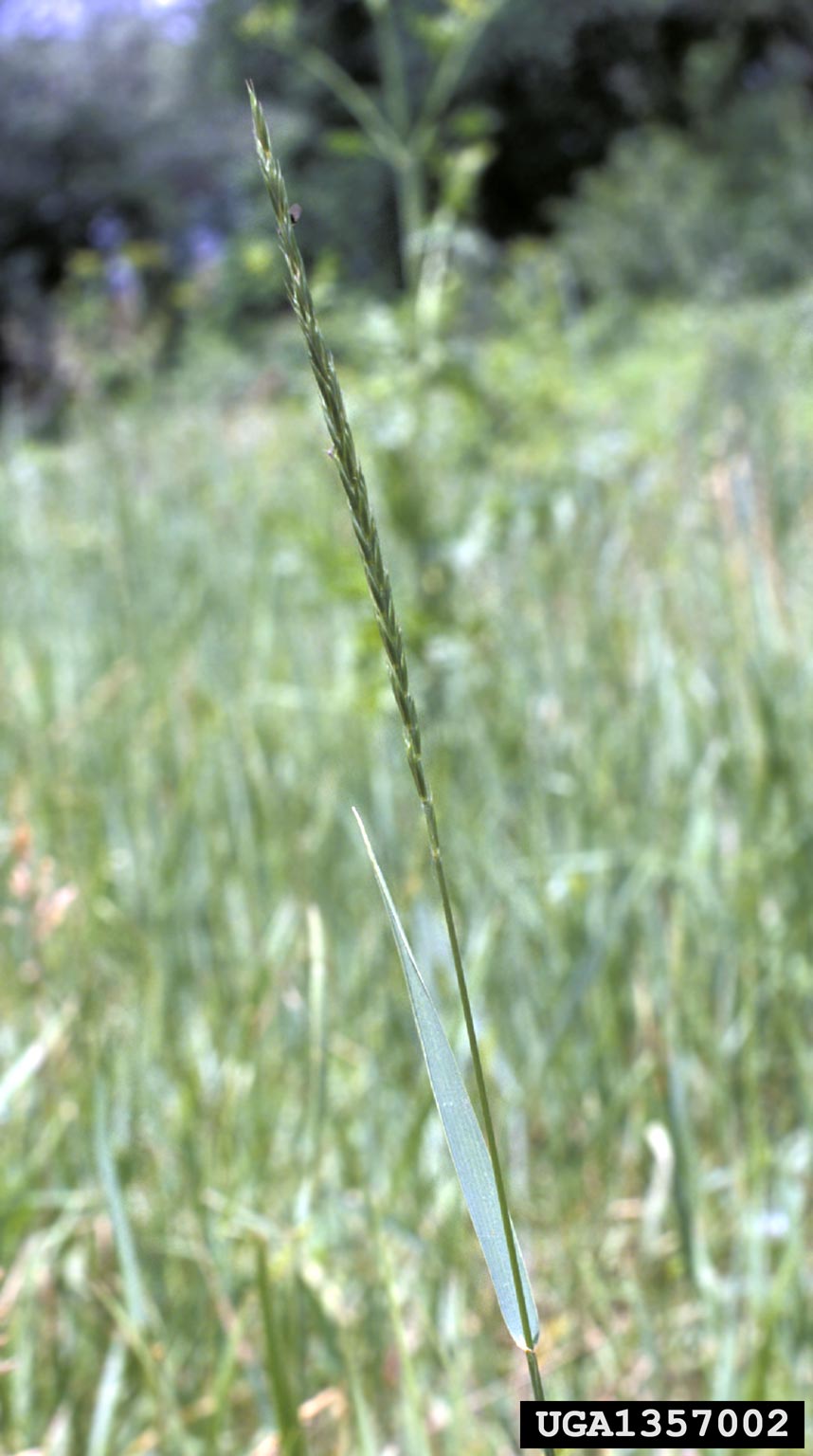
Quackgrass is an aggressive perennial that spreads by seed and rhizome. It can grow between 1 and 4 feet tall, has grey-green leaves, and green or blue-green stems. It also bears alternating spikelets, 2-10 inches long, at the top of the stems. Quackgrass can be found in disturbed sites like fields, roadsides, and urban areas. Quackgrass can be easily confused with other grasses like brome, wheatgrass, or ryegrass. It can be differentiated by its height, crowded spikelets, rhizomes, and clasped auricles. [2,4]
Having trouble identifying a weed?
Contact your local conservation district or county extension agent.
Key Features
- Plant: Quackgrass can grow 1-4 feet tall and is unbranched, but can grow multiple culms. Plants can be green or blue-green and may be hairy near the leaves. It germinates in early spring and has a rounded spike at the top of the stem, with alternating spikelets. [2,3]
- Roots: Quackgrass produces rhizomes with sharp points to penetrate hard soils. Most roots are within 6 inches of the soil surface but can reach depths of up to 11 inches and spread laterally 3-5 feet. Rhizomes also grow fibrous roots at nodes. Roots are white to yellow. New Plants can grow from rhizome fragments left in the soil. [1,2]
- Leaves: There are 3-5 leaves, each about 2-12 inches long and up to 3/8 inch wide, grey-green, and arranged alternately along the stem. Leaves are flat, stiff, and sometimes have hair along the top of the leaf. Quackgrass leaves have a clasping auricle (a claw-like appendage at the end of a grass leaf that wraps the stem). [2,4]
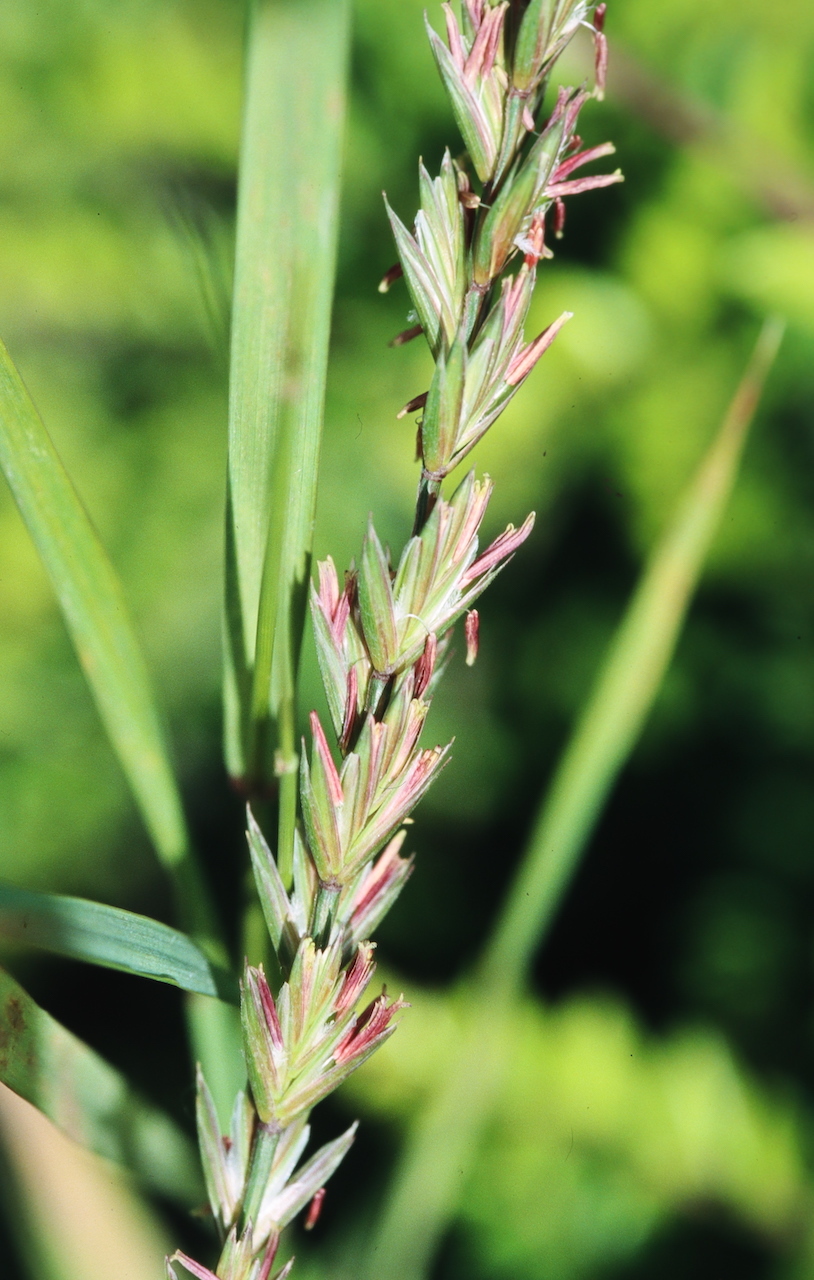
- Seeds: Seeds can be produced at any time between spring and fall. Quackgrass produces a 2-10 inch long spike that has rows of alternating spikelets. Immature spikelets are green and turn tan when mature. Grains (seed) are elliptical and have a white tuft of hair at the tip. Each stem can produce 24-40 seeds, but many are sterile because this plant primarily propagates via rhizomes. [2,3,4]
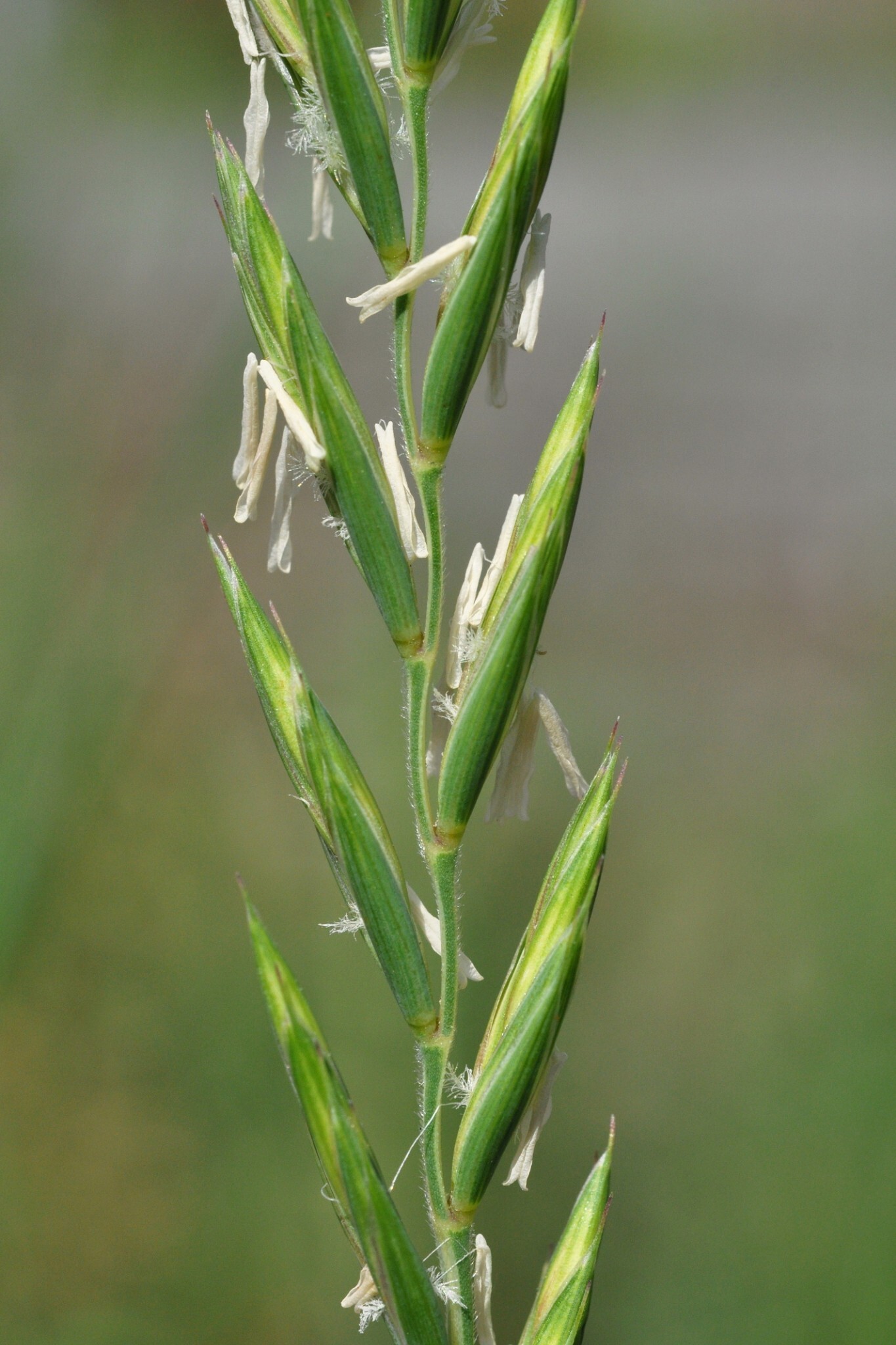
Werner Tueckmantel, Inaturalist.org
Immature spikelets are green and turn tan when mature.
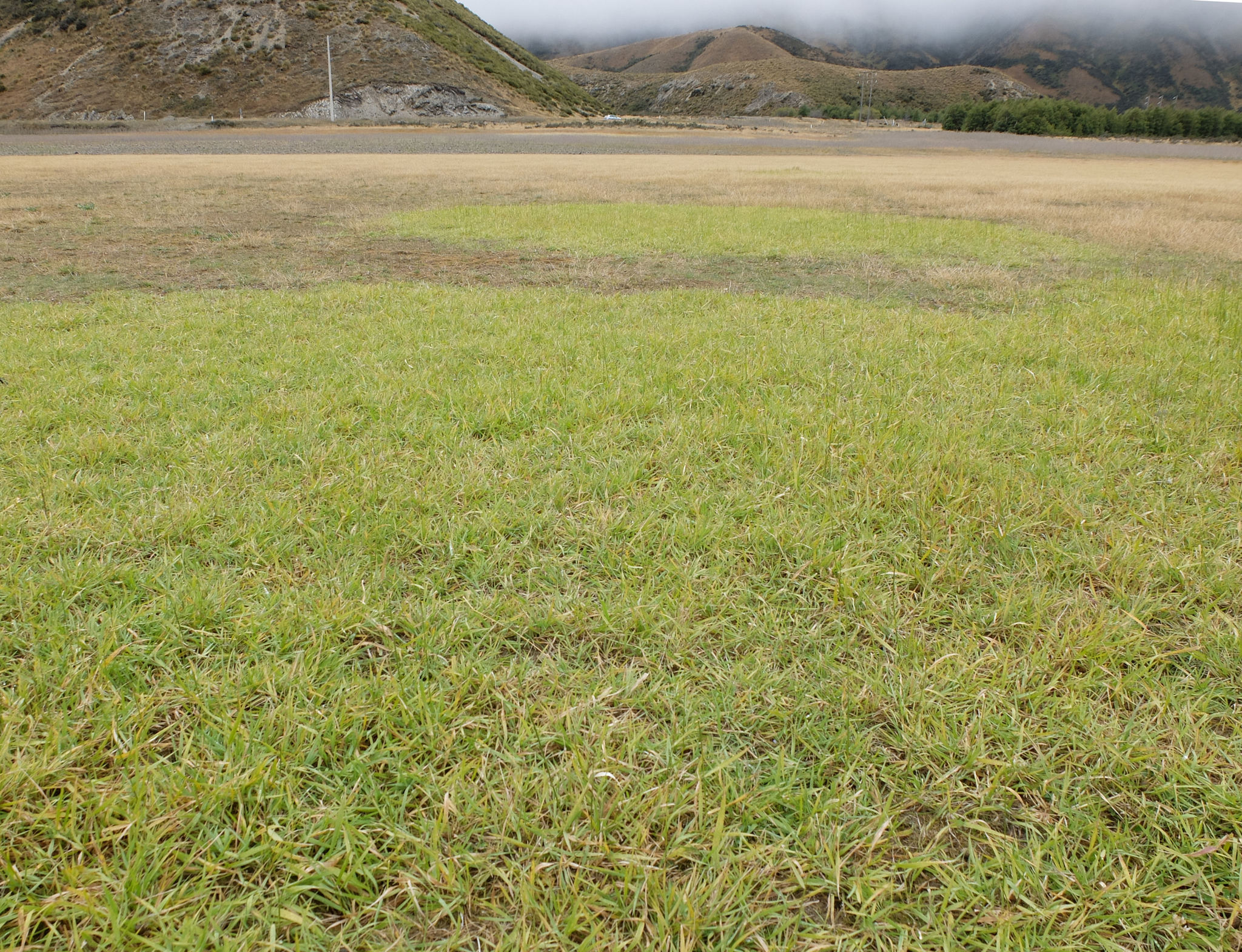
Alice Shanks, Inaturalist.org
Quackgrass spreads mostly by its creeping roots. New growth usually occurs before other plants have an opportunity to germinate.
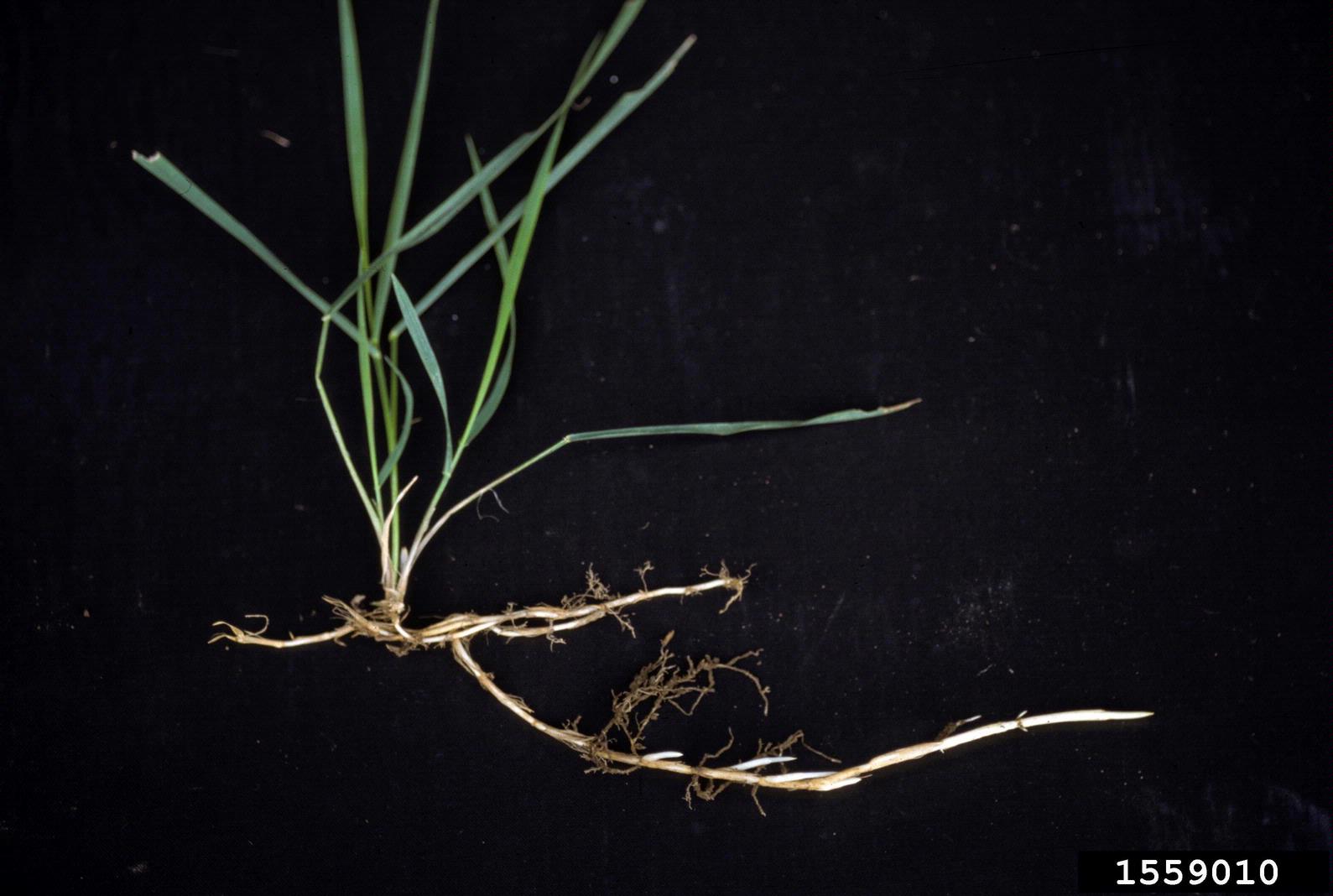
Ohio State Weed Lab , The Ohio State University, Bugwood.org
Most roots are within 6 inches of the soil surface but can reach depths of up to 11 inches and spread laterally 3-5 feet.
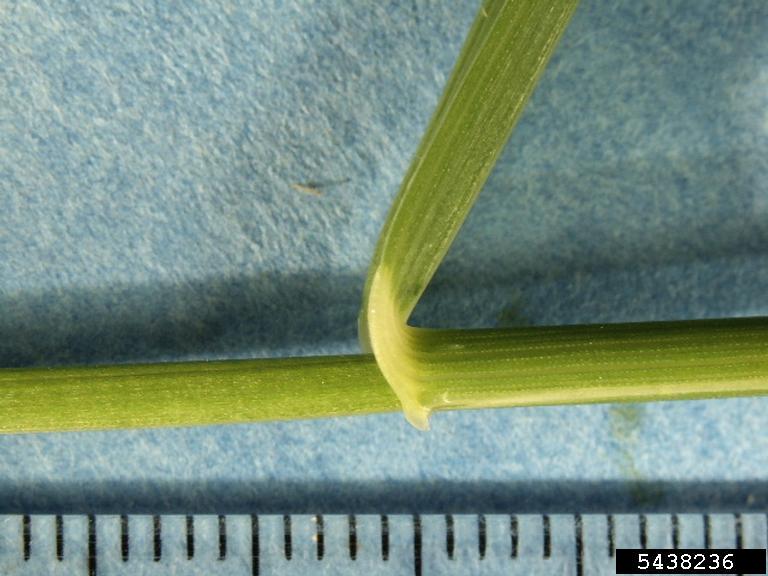
Bruce Ackley, The Ohio State University, Bugwood.org
Leaves are flat, stiff, and sometimes have hair along the top of the leaf.
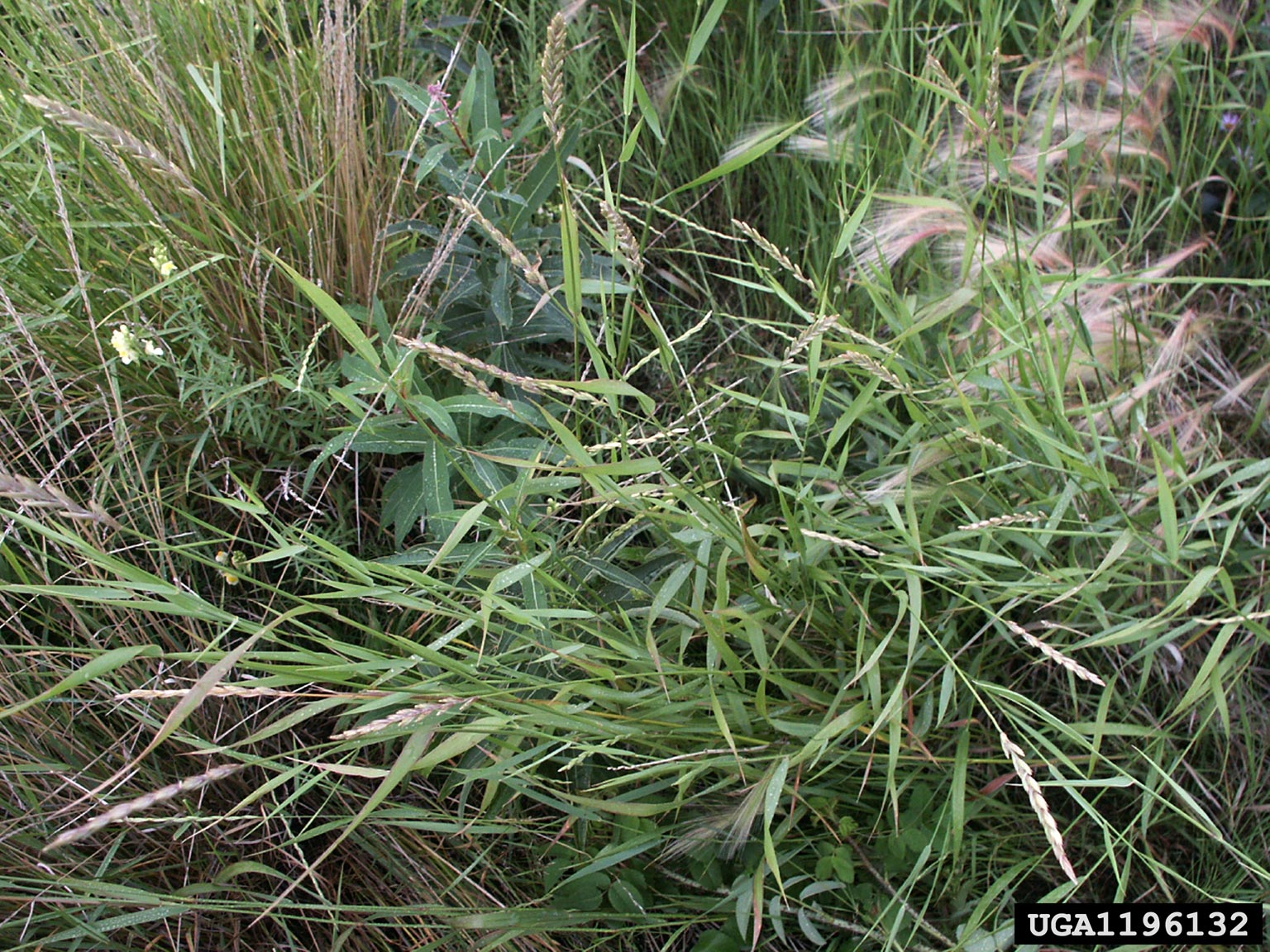
Elizabeth Bella, AECOM, Bugwood.org
Quackgrass can grow 1-4 feet tall and is unbranched, but can grow multiple culms.
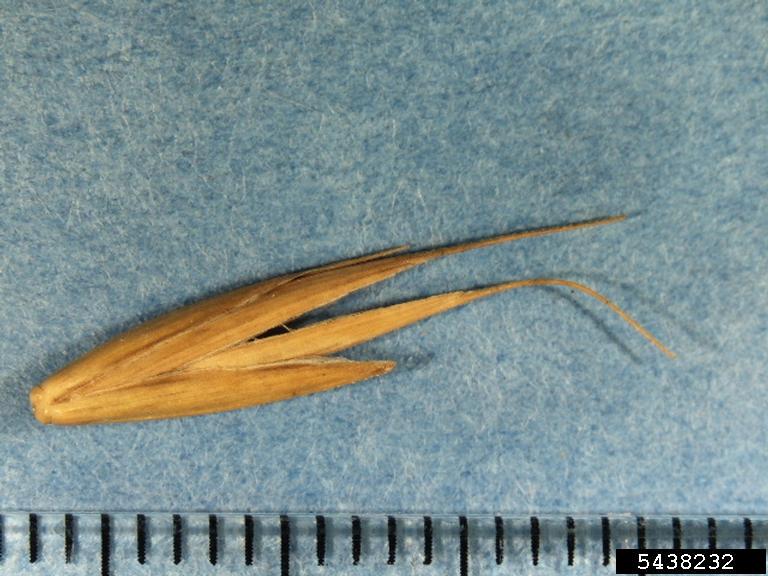
Bruce Ackley, The Ohio State University, Bugwood.org
Grains (seed) are elliptical and have a white tuft of hair at the tip.
3. Infestation Basics
“Quackgrass is a fascinating weed that can be positive or negative depending on the use we want to give in our gardens.”
– C.Sitarski, 2022
Where and how does it grow, and how does it spread?
This weed can grow in any disturbed, moist areas, including gardens, roadsides, and fields. It spreads primarily via rhizomatous roots but can produce up to 40 seeds per stem. [5]
Quackgrass is a cool-season perennial. It can grow in a variety of habitats but usually invades disturbed places with abundant moisture and partly shaded to full-sun areas. Invasion can occur in dry regions, but grasses struggle to grow. Optimal temperatures for quackgrass growth range from 68 to 77 degrees Fahrenheit. [5]
Quackgrass spreads mostly by its creeping roots. New growth usually occurs before other plants have an opportunity to germinate. Flowering occurs between June and August, and the plant dries out shortly thereafter. This weed can also grow from broken root fragments. Quackgrass stems typically flower in their second year, but can flower within the first year with optimal moisture and temperature conditions. [5,6]
This weed can spread by seed and root fragments. Seeds can germinate in spring or fall. Seed viability varies depending on how deep and how long the seed is buried, with a 5-16% germination rate after 21 months, but some seeds can survive up to 4 years in optimal conditions. Although 24-40 seeds are produced, many are sterile. Quackgrass also requires cross-pollination to set seed, which can affect seed viability. The plant primarily propagates via rhizomes and root fragments and can spread up to 5 feet from the main plant. Rhizome growth usually occurs between April and May. [5,6]
Key takeaway: Quackgrass invades disturbed areas with lots of moisture. It establishes itself early in the growing season, often suppressing the growth of other plants. It also has roots that are difficult to remove, and can sprout from root fragments.
Why is it so invasive?
Quackgrass is allelopathic and establishes itself before other plants, making it difficult for other plants to grow in infected areas. It also sprouts from root fragments often left during grass removal. [6]
This weed can spread by root and seed, but mainly spreads by creeping roots. Its rhizomes can grow up to an inch each day. Although it does not produce many seeds, it can set seed multiple times per year, and seeds are readily dispersed by equipment, animals, or human movement. Rhizomes can grow up to 5 feet laterally between each stem. Quackgrass can also grow from root fragments, which are viable until they dry out. It is often mistaken for other, less invasive grasses, thereby allowing it to spread further. [5,8]
Quackgrass also inhibits the growth of other plants. Its preference for cool temperatures allows it to establish itself earlier than other plants. Once established, it releases allelopathic extracts that further suppress the growth of other vegetation. Additionally, its sharp roots can penetrate potato tubers. [1,6]
Key takeaway: This weed is very aggressive. It prevents other plants from growing with its rapid growth and allelopathic effects. Quackgrass prevents desired vegetation and threatens native plants.
Common risk factors for invasion
- Soil disturbance: Quackgrass readily invades disturbed soils, including construction sites, tilled fields, and overgrazed pastures. This disruption weakens existing vegetation, thereby facilitating the weed’s establishment. Minimizing unnecessary soil disturbance can help reduce the risk of invasion.
- Areas of neglect: Quackgrass is often established in neglected or abandoned places, such as roadsides, railways, and vacant lots. These undisturbed spaces give it the time and opportunity to spread without competition or control. Regular monitoring and weed management in such areas can mitigate this risk.
- Moisture availability: While quackgrass has adapted to a wide range of soil and water conditions, it does generally require adequate moisture to establish and spread, making irrigated lands and areas with consistent rainfall particularly vulnerable.
Impacts
Ecosystem Health
Once established, quackgrass displaces native plants, resulting in a notable loss of floral and faunal biodiversity. Quackgrass’s allelopathic tendencies and rapid growth suppress other plants, resulting in a loss of insect and animal diversity in the area. [6]
Wildlife Habitat
The continued spread of quackgrass harms wildlife and agriculture. It prevents the establishment of native plants and reduces insect diversity in infected areas. While small rodents and birds may use it for cover, food availability for these small animals declines, and they soon leave. [5]
Agriculture and Food Security
Farmers face increased costs associated with managing this weed because of its ability to penetrate potato tubers with its rhizomes. Furthermore, weeds can harbor pests and diseases that may affect crops, exacerbating the threat to food production. The economic burden on farmers and the potential for decreased food supply contribute to the overall negative impact on food security. [8]
4. Management Strategies
The most effective way to manage quackgrass is to prevent it by avoiding unnecessary soil disturbance, particularly in wet areas where this weed thrives. Keep existing vegetation healthy to prevent rhizomes from establishing. Additionally, cleaning equipment and inspecting seed mixes can prevent the accidental introduction of weeds into new areas. Mechanical removal, such as digging or pulling, can be effective if the entire root is removed; however, it is difficult because plants can regrow from root fragments left during pulling or digging. Tilling is not recommended, as it can further spread rhizomes. Mowing prevents seeding, but quackgrass can still spread via root systems. Herbicides can be effective. Fire is not considered an effective management method. [2,6,8]
DO’s
- Prevent the plant from establishing by avoiding unnecessary soil disturbance.
- Plant healthy vegetation, such as native species or cover crops, to prevent quackgrass from establishing.
- Dig about 12 inches deep to remove the entire root and dispose of it appropriately.
DON’Ts
- Allow infestations to become widespread, as they are easier to manage when small.
- Till the ground, this breaks and spreads rhizomes, allowing more plants to establish.
- Rely on mowing, because this will not prevent quackgrass from spreading.
** The following information is provided courtesy of the UC Weed Research and Information Center. nmweeds.org does not endorse the use of any particular product, brand, or application thereof. **
Managing quackgrass without herbicides relies on persistence and weakening the plant’s underground rhizome network over time. Repeated, well‑timed cultivation or hand‑digging can exhaust stored energy if done consistently before the plant regains leaf area.
The extensive root and rhizome system of quackgrass makes it extremely difficult to control by mechanical or cultural means alone. Hand-pulling is generally impractical as a control measure, particularly for large infestations. Mowing has minimal effect on quackgrass.
Tillage usually stimulates new shoots to form by severing the terminal bud from the rest of the rhizome. Vigorous tillage before or after an effective herbicide treatment can improve control.
Moldboard plowing can significantly reduce quackgrass infestations. Chisel plowing is generally less effective and can spread rhizomes. A single disk or cultivation alone is usually ineffective and may spread rhizomes.
Grazing has minimal effect on quackgrass.
Burning is generally ineffective for quackgrass suppression.
There are no biological control agents available for the management of quackgrass.
- CHEMICAL CONTROL
- Lipid Synthesis Inhibitors
- Aromatic Amino Acid Inhibitors
- Branched Chain Aminoacid Inhibitors
- Photosynthetic Inhibitors
The following specific use information is based on published papers and reports by researchers and land managers. Other trade names may be available, and other compounds also are labeled for this weed. Directions for use may vary between brands; see label before use. Herbicides are listed by mode of action and then alphabetically. The order of herbicide listing is not reflective of the order of efficacy or preference.
|
Clethodim Select, Envoy |
Rate: 9 to 18 oz product (Envoy)/acre (1.1 to 2.2 oz a.i./acre) Timing: Postemergence to rapidly growing plants before the boot stage, preferably when quackgrass is 4 to 12 inches tall. Remarks: Clethodim is only effective on grass species and may require multiple applications. It is not sufficiently effective on sodded quackgrass. Before tank-mixing with broadleaf herbicides, read the herbicide label to avoid reduced grass control. Note that Envoy formulation is 1 lb a.i./gallon, Select is 2 lb a.i./gallon. |
|
Fluazifop Fusilade |
Rate: 1 to 1.5 pt product/acre (4 to 6 oz a.e./acre) Timing: Postemergence in late spring to rapidly growing quackgrass 6 to 10 inches tall. Remarks: Fluazifop is only effective on grass species. Repeat treatments during a single season are necessary to control established quackgrass, and additional treatments may be needed in subsequent years for complete control. Do not apply to stressed grasses. |
|
Sethoxydim Poast |
Rate: 1.5 to 2.25 pt product/acre (4.5 to 6.75 oz a.e./acre) Timing: Postemergence when quackgrass is 6 to 8 inches tall and rapidly growing. Remarks: Sethoxydim is only effective on grass species. Multiple applications may be required for improved control. Sethoxydim will not control well-established sodded quackgrass. Tillage 1 to 2 weeks after application improves control but is not practical on most range sites. Some results show that sethoxydim is less effective than fluazifop to control quackgrass and is therefore not generally recommended. |
|
Glyphosate Roundup, Accord XRT II, and others |
Rate: Broadcast foliar treatment (non-sodded quackgrass): 1 to 2 qt product (Roundup ProMax)/acre (1.1to 2.25 lb a.e./acre). Broadcast foliar treatment (sodded quackgrass): 2 to 4 qt product (Roundup ProMax)/acre (2.25 to 4.5 lb a.e./acre). Spot treatment: 1 to 2% v/v solution Timing: Postemergence to rapidly growing plants from mid-summer to fall after the target plants have reached the reproductive stage (boot stage to early flowering is best). Remarks: Glyphosate is the most commonly used herbicide option for control of quackgrass. It is nonselective and has no soil activity. Repeat applications are most likely necessary. |
|
Imazapyr Arsenal, Habitat, Stalker, Chopper, Polaris |
Rate: Broadcast treatment: 1 to 4 pt product/acre (4 to 16 oz a.e./acre). Spot treatment: 1% v/v solution Timing: Postemergence to rapidly growing plants. Use higher rates for larger plants or late-season applications. Remarks: Imazapyr has a relatively long soil-residual activity and is nonselective. Rates are based on those reported for reed canarygrass. |
|
Propoxycarbazone- sodium Canter R+P |
Rate: 0.9 to 1.2 oz product/acre (0.63 to 0.84 oz a.i./acre) Timing: Postemergence from the 2-leaf to 2-tiller stage when plants are growing rapidly. Remarks: Propoxycarbazone is a broad-spectrum herbicide that will control many species. It will provide only partial control of quackgrass. Perennial grass species vary in tolerance. A nonionic surfactant should be added at 0.25-0.5% v/v. |
|
Rimsulfuron Matrix |
Rate: 4 oz product/acre (1 oz a.i./acre) Timing: Preemergence in fall. Remarks: Rimsulfuron controls several annual grasses and broadleaves. It is only effective on seedling quackgrass. It has not been shown to be effective on established quackgrass. Perennial grasses are tolerant to fall applications when established and grown under dryland conditions. Application to rapidly growing or irrigated perennial grasses may result in their injury or death. It provides soil residual control in cool climates but degrades rapidly under warm conditions. Add a surfactant when applying postemergence. |
|
Sulfosulfuron Outrider |
Rate: 1.33 to 2 oz product/acre (1 to 1.5 oz a.i./acre) Timing: Postemergence in spring when the target plants are growing rapidly and in an early vegetative stage. Results are best when weeds are not disturbed by mowing or other factors for 12 days before or after application. Remarks: Sulfosulfuron has mixed selectivity, but is fairly safe on native perennial grasses, especially wheatgrasses. Follow-up applications should be made after suitable quackgrass regrowth and no sooner than 30 days after the previous application. Do not make applications to newly seeded perennial native grasses before the 3-leaf growth stage. Sulfosulfuron has fairly long soil residual activity. Treatments should include a non-ionic surfactant. |
|
Hexazinone Velpar DF |
Rate: 2.67 to 6.67 lb product/acre (2 to 5 lb a.i./acre) Timing: Preemergence in spring to control seedlings or postemergence when the target plants are germinating and actively growing. Remarks: Hexazinone is typically recommended in combination with glyphosate. Glyphosate is used in mid-summer to fall to control existing plants, and hexazinone is used the following spring to control new germinants. Requires adequate moisture for activation. Because hexazinone is costly and requires high rates to control quackgrass, it is not typically used in natural areas. High rates of hexazinone can create bare ground, so only use high rates in spot treatments. |
5. Citations
[1] “Weed Gallery: Quackgrass–UC IPM,” Ucanr.edu, 2016. Available: https://ipm.ucanr.edu/PMG/WEEDS/quackgrass.html
[2] “Quackgrass,” University of Minnesota Extension, 2016. Available: https://extension.umn.edu/weeds/quackgrass
[3] “Quack Grass (Elytrigia repens aristata),” Illinois Wildflowers.info, 2025. Available: https://www.illinoiswildflowers.info/grasses/plants/quack_grass.htm. Accessed: Jul. 29, 2025
[4] “Elymus repens (Quackgrass),” Minnesota Wildflowers, 2022. Available: https://www.minnesotawildflowers.info/grass-sedge-rush/quackgrass. Accessed: Jul. 29, 2025
[5] S. A. Snyder, “Elymus repens,” Fire Effects Information System, 1992. Available: https://www.fs.usda.gov/database/feis/plants/graminoid/elyrep/all.html#MANAGEMENT%20CONSIDERATIONS. Accessed: Jul. 29, 2025
[6] “QUACKGRASS (Elytrigia repens) ,” North Dakota State Library, 2005. Available: https://www.library.nd.gov/statedocs/agdept/quackgrass20070905.pdf
[7] C. Sitarski, “Controlling Quack Grass (Weeds Series),” Cornell Cooperative Extension, 2022. Available: https://allegany.cce.cornell.edu/gardening/master-gardener-blog/controlling-quack-grass-weeds-series. Accessed: Jul. 29, 2025
[8] “Quackgrass,” Tsusinvasives.org, 2014. Available: https://tsusinvasives.org/home/database/elymus-repens. Accessed: Jul. 29, 2025
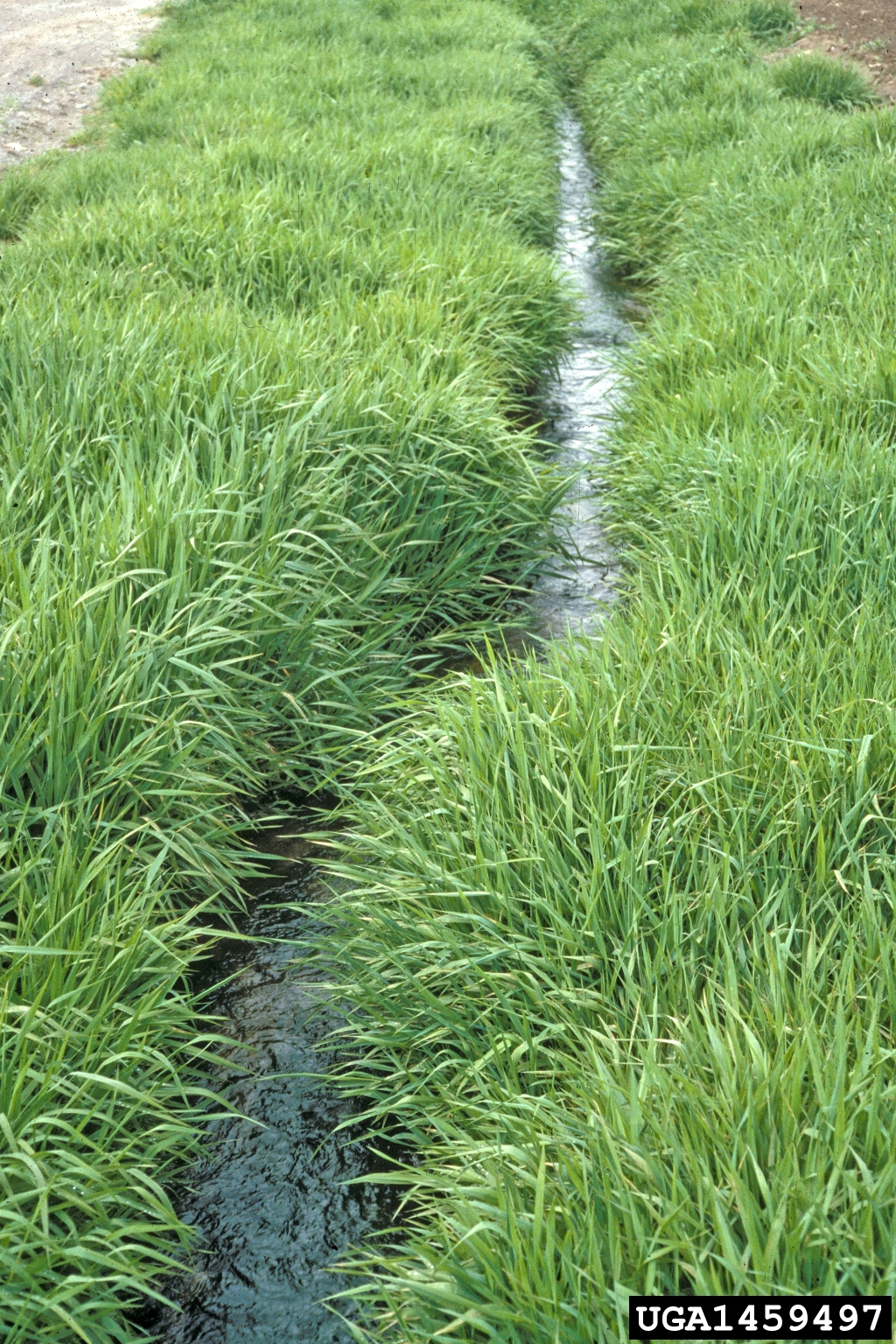
Steve Dewey, Utah State University, Bugwood.org
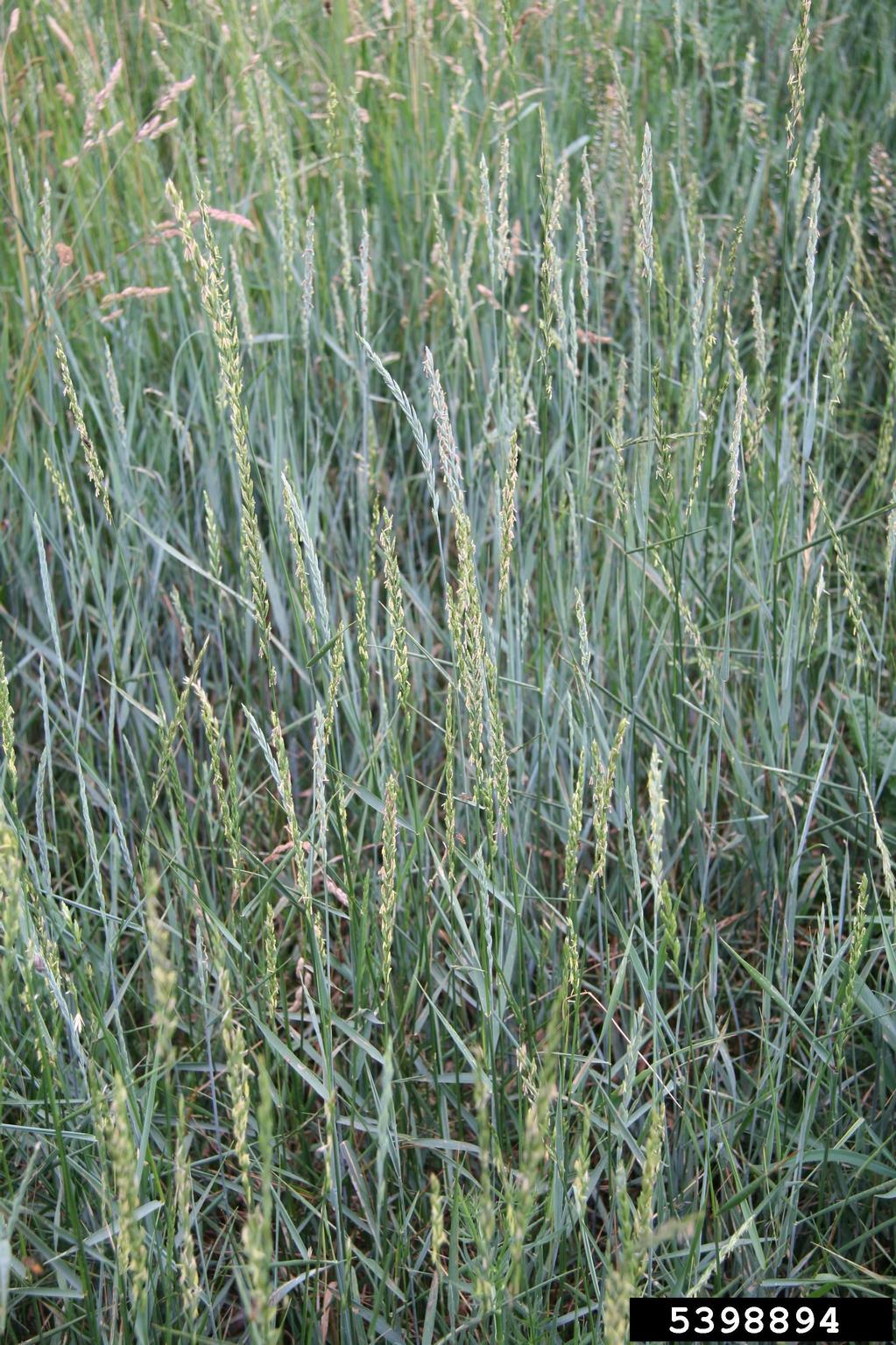
Robert Vidéki, Doronicum Kft., Bugwood.org
The name quackgrass derives from the German word “queck,” meaning “lively” or “quick.” This weed was named for its rapid growth. Its fast growth makes it good at erosional control. [2,7]
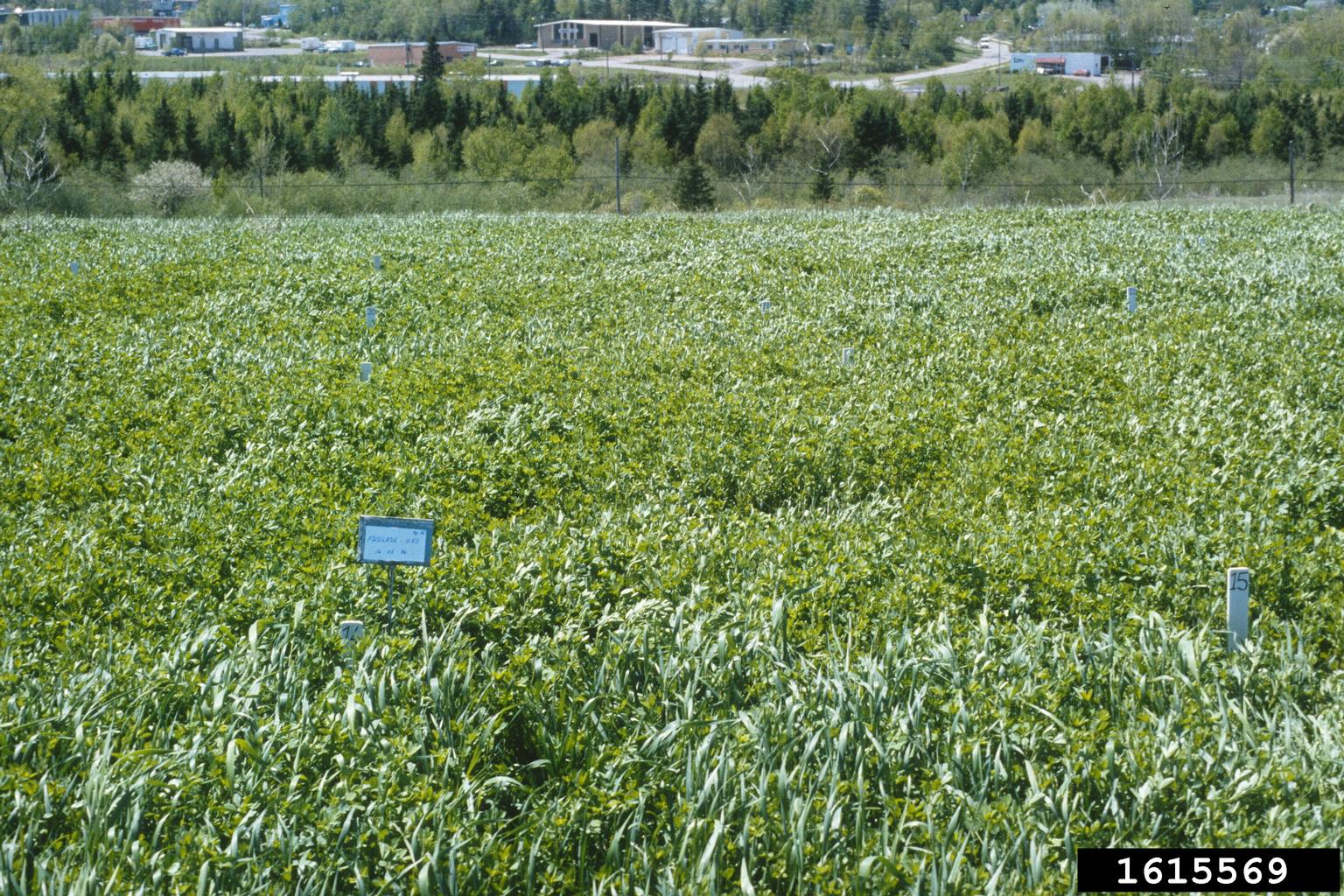
Doug Doohan, Ohio State University/ OARDC, Bugwood.org
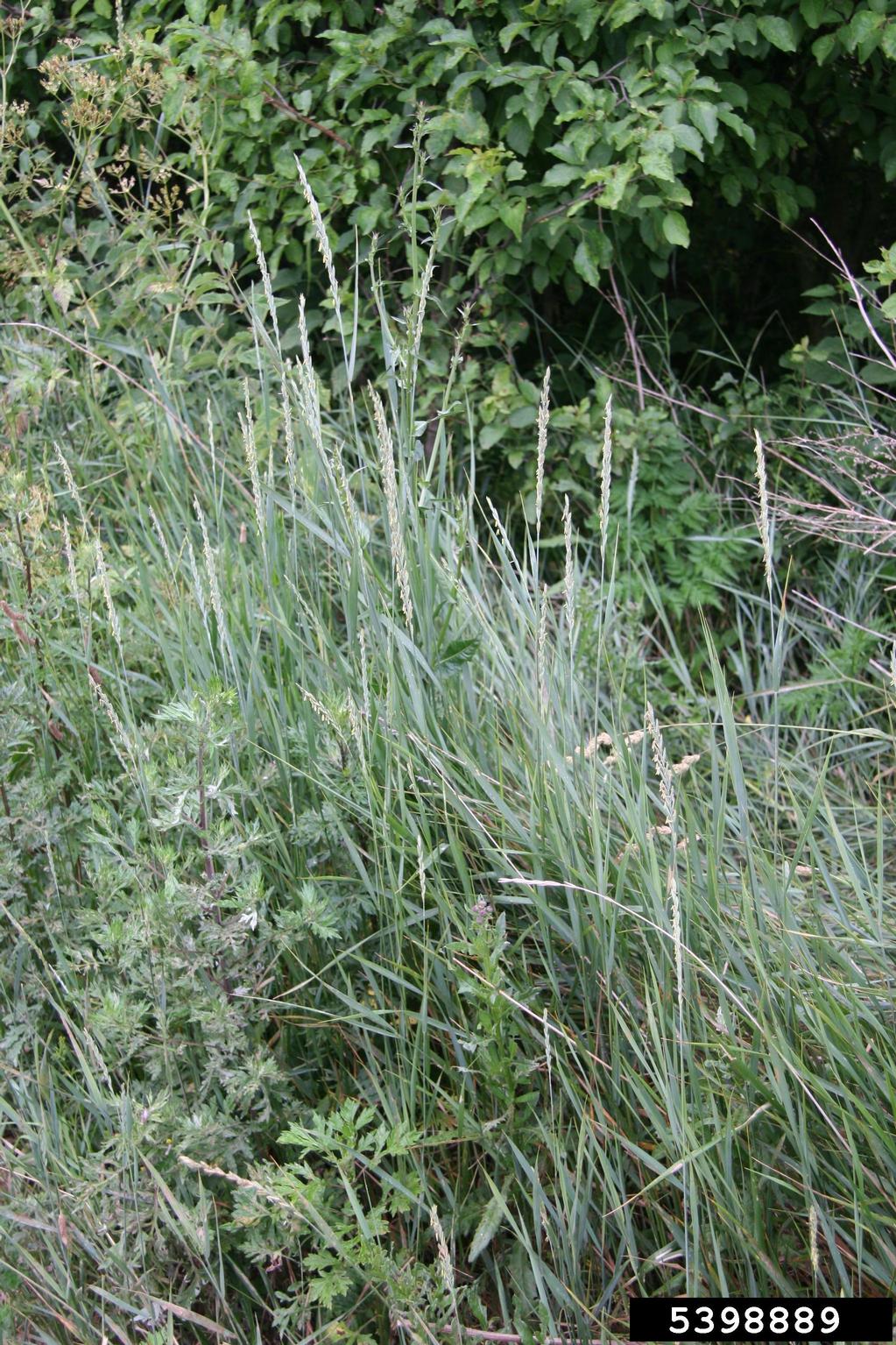
Robert Vidéki, Doronicum Kft., Bugwood.org
Quackgrass seeds and roots were used in Europe as a flour substitute during famines. One example of this is settlers in southern Germany using it for bread due to food shortages during the war. The leaves have also been used to make chemicals that deter slugs and mosquitoes and induce vomiting. [2]
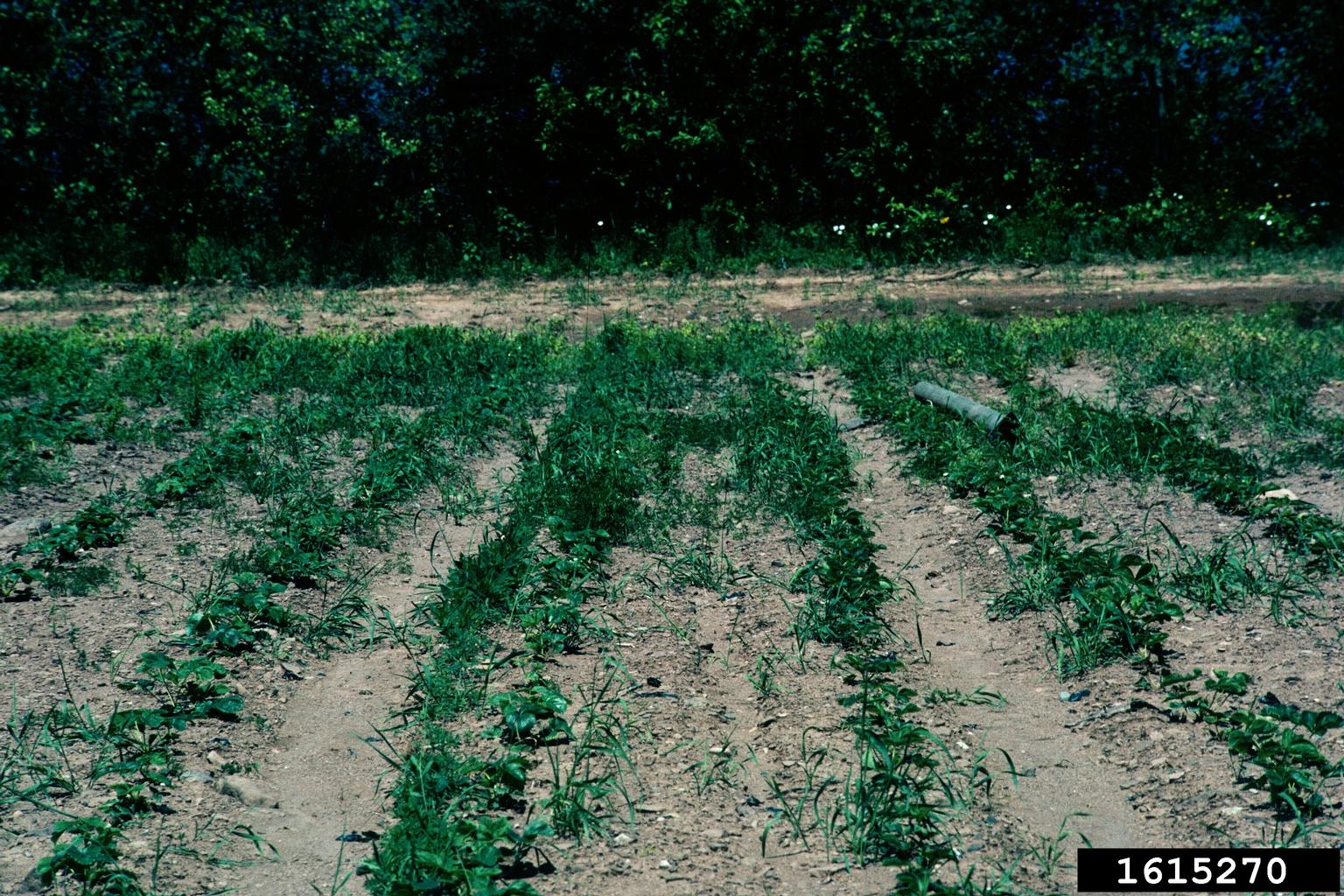
Doug Doohan, Ohio State University/ OARDC, Bugwood.org
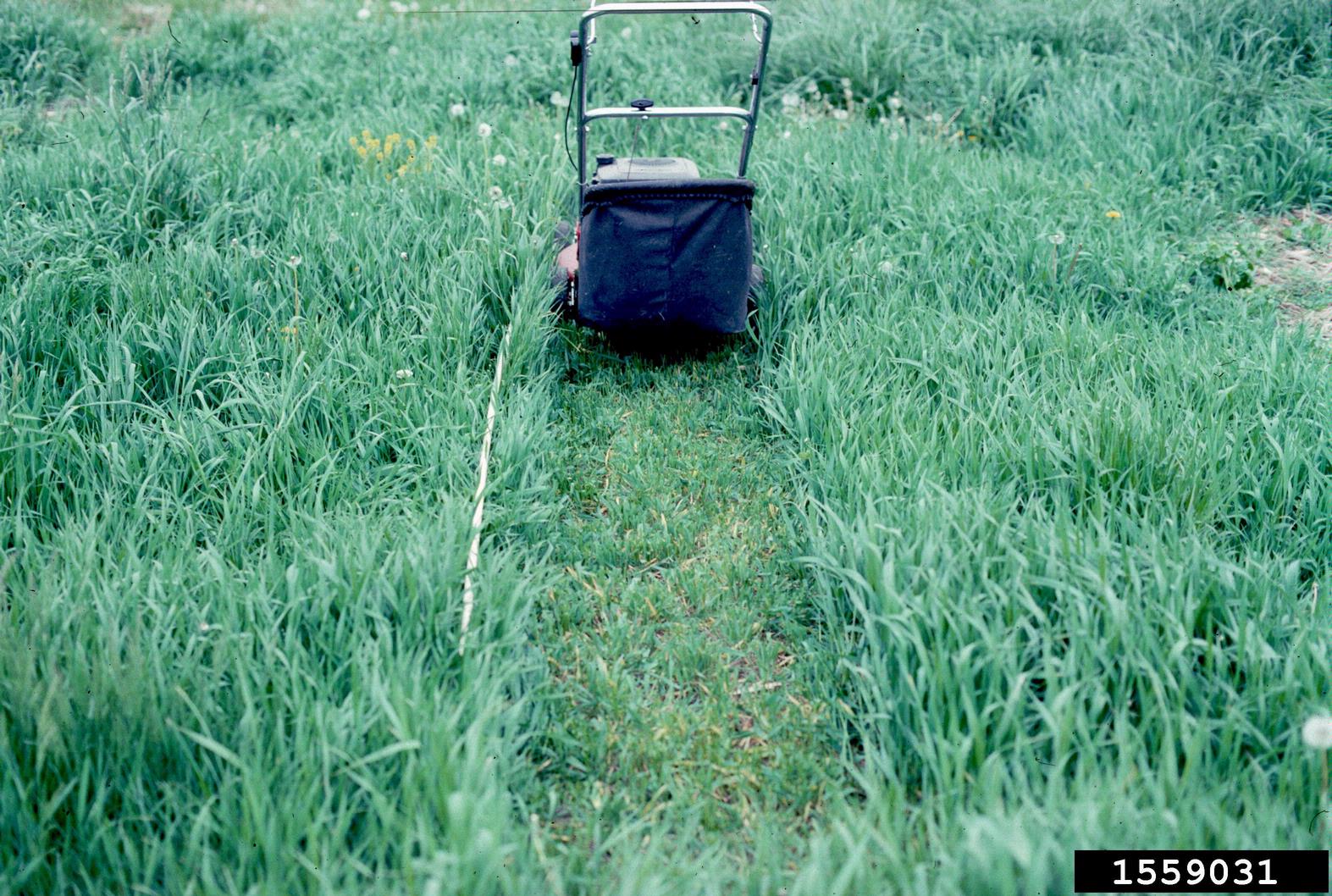
Ohio State Weed Lab , The Ohio State University, Bugwood.org
Quackgrass has been hybridized with other grasses to reduce invasiveness and improve nutritional value for cattle. These hybridizations eliminate the plant’s allelopathic tendencies while allowing it to grow rapidly, thereby making it suitable for grazing. [2]
Dr. Lynn Clark and Anna Gardner, Iowa State University, Bugwood.org
jltasset, Inaturalist.org
alexfamilyteam, Inaturalist.org